Summary
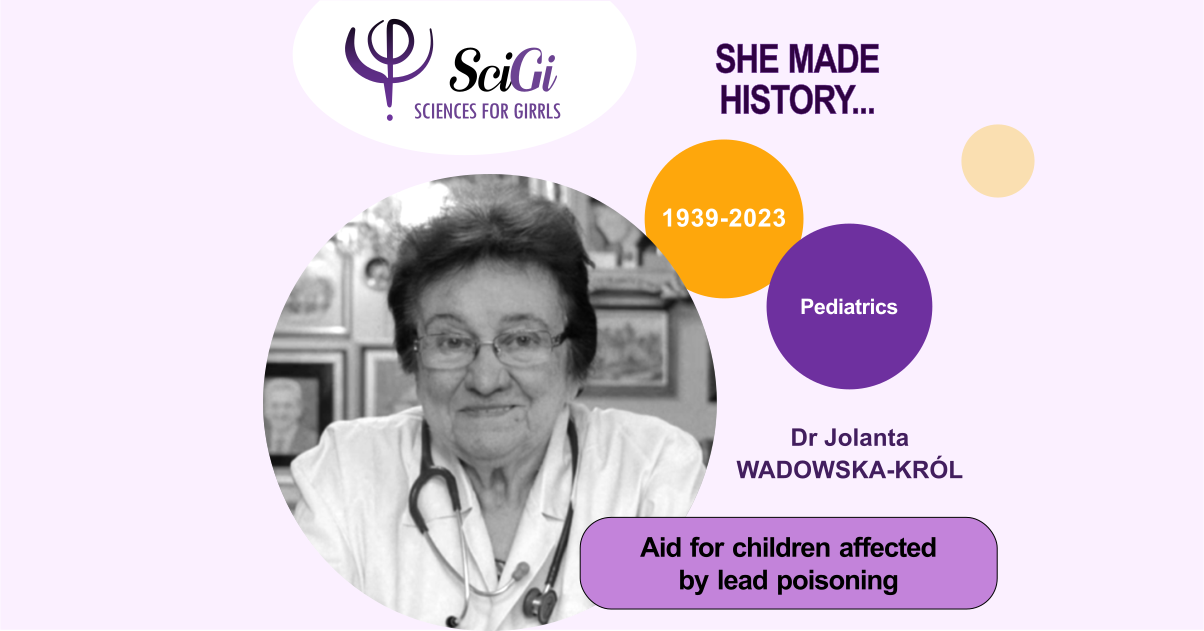
Jolanta Wadowska-Król is a pediatrician who has dedicated her life to helping children affected by lead poisoning. Her story is that of a courageous and intelligent woman who chose to treat and protect the health of as many children as possible, despite the authorities’ attempts to conceal the toxicity generated by the Szopienice smelter (Poland).
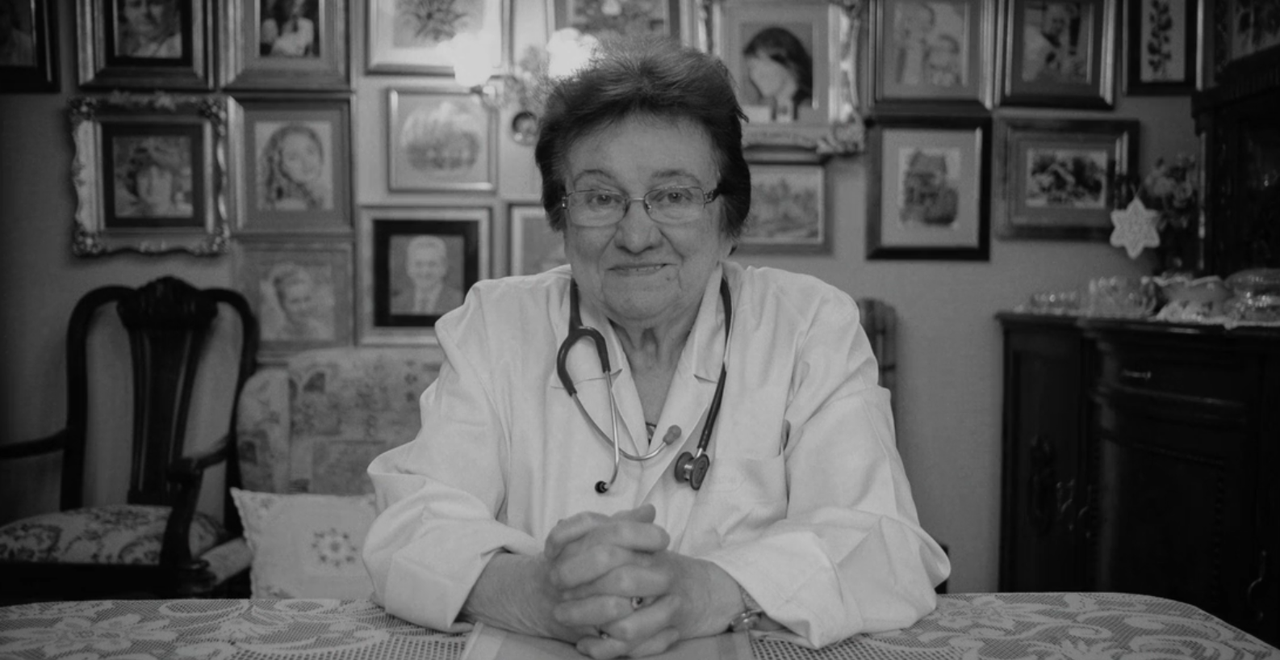
Photo by Jolanta Wadowska-Król
Source : https://https://thecinemaholic.com/
Jolanta wadowska-król
Who was Jolanta Wadowska-Król, this pediatrician with exemplary commitment?
Jolanta Wadowska-Król (1939-2023) was a Polish physician specializing in pediatrics. She grew up in an environment marked by war and hardship, which exposed her to social inequalities from a very young age. Due to the war, she had to change schools more than five times to continue her education. This did not prevent her from entering the Silesian Medical Academy, where she chose pediatrics as her specialty because she felt it was her duty to help vulnerable children. After graduating in 1964, she began working in the Szopienice district and later in the Katowice district.
The diagnosis that changes everything: lead poisoning in the children of Szopienice
When Jolanta saw a child several times for consultations, she noticed that he suffered from severe anemia. She then realized that several children in nearby clinics were suffering from the same ailment. The doctor quickly hypothesized that the cause was environmental, since a large number of children presented the same symptoms. At that time, the toxic effects of lead on foundry workers were already known, but no one made the connection with the children who played and lived near the foundry. Lead polluted the air, the fields, and also the food consumed by the local population.
Through testing, lead poisoning was confirmed in the first patient. Faced with this discovery, she tried as quickly as possible to alert the foundry managers, who didn’t believe a doctor from this district (one of the poorest) and who, moreover, wanted to conceal the link the doctor was making between the factory and the children’s poisoning. She also alerted Bożena Hager-Małecka, then director of the pediatric clinic at the Silesian Medical Academy. The latter, initially skeptical of the doctor’s hypotheses, tested the children at her clinic, who then tested positive for lead poisoning.
Jolanta still needs to conduct tests on a large number of children living near the foundry to ensure they are also poisoned, but she encounters enormous difficulties in this quest. The parents are skeptical and refuse to have their children tested, and the foundry managers are not going to help her in her efforts.
Jolanta wadowska-król
The Szopienice smelter: an industrial giant with deadly consequences
At the time, Szopienice was home to a large non-ferrous metal smelter producing metals such as lead and zinc. This smelter provided a significant amount of employment for the local population. The complex even became the largest non-ferrous metal production center in Silesia (a former region of Eastern Europe) and the world’s leading producer of cadmium. The Szopienice plant remained closed until 2008 due to economic reasons.
The diagnosis that changes everything: lead poisoning in the children of Szopienice
When Jolanta saw a child several times for consultations, she noticed that he suffered from severe anemia. She then realized that several children in nearby clinics were suffering from the same ailment. The doctor quickly hypothesized that the cause was environmental, since a large number of children presented the same symptoms. At that time, the toxic effects of lead on foundry workers were already known, but no one made the connection with the children who played and lived near the foundry. Lead polluted the air, the fields, and also the food consumed by the local population.
Through testing, lead poisoning was confirmed in the first patient. Faced with this discovery, she tried as quickly as possible to alert the foundry managers, who didn’t believe a doctor from this district (one of the poorest) and who, moreover, wanted to conceal the link the doctor was making between the factory and the children’s poisoning. She also alerted Bożena Hager-Małecka, then director of the pediatric clinic at the Silesian Medical Academy. The latter, initially skeptical of the doctor’s hypotheses, tested the children at her clinic, who then tested positive for lead poisoning.
Jolanta still needs to conduct tests on a large number of children living near the smelter to ensure they are also poisoned, but she is encountering enormous difficulties in this endeavor. The parents are skeptical and refuse to have their children tested, and the smelter’s management is not going to help her in her efforts.
Jolanta wadowska-król
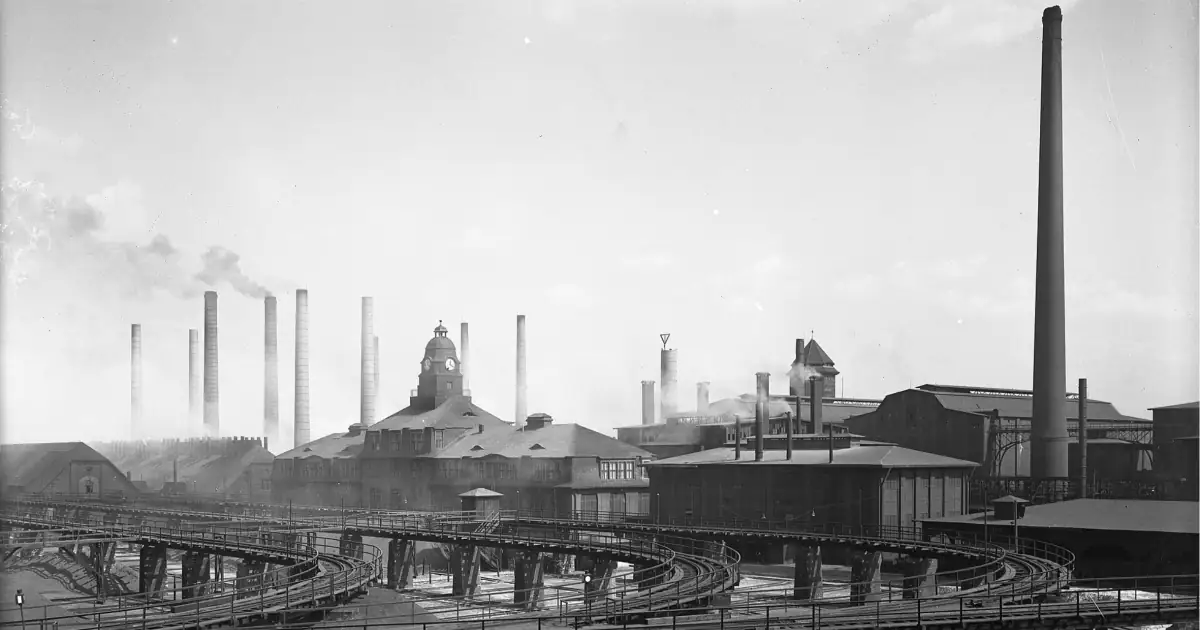
Buildings of the “Uteman” zinc foundry (photo by Henryk Poddębski, 1927)
Source : https://sciencesforgirls.com
Jolanta wadowska-król
A fierce fight against injustice and indifference
Despite the pressure exerted by factory and regional management—who wanted to conceal Dr. Jolanta’s research to avoid factory closure, economic losses, and damaging the foundry’s image—Jolanta fought to continue her tests with the help of Professor Hager-Małecka, aiming to diagnose and remove as many children as possible from the foundry. Faced with threats from management, Jolanta remained steadfast and refused to be silenced, even when offered a better position in a more desirable district and the opportunity to pursue a doctorate, her long-held ambition. She chose to stay and dedicated herself to continuing to care for the children of the foundry.
Professor Hager-Małecka then offered to be his doctoral supervisor and encouraged him to continue his research on lead poisoning caused by the foundry. However, later, the Polish United Workers’ Party censored and destroyed all his extensive research and prevented him from publishing his thesis to avoid damaging the country’s image.
Jolanta wadowska-król
A health and environmental activist, a legend forever
Dr. Jolanta’s fight was not only medical, but also social and environmental. She helped the parents of sick children with the numerous procedures involved in hospitalizations and stays at the sanatorium. She also initiated the demolition of the houses near the foundry and the relocation of the residents.
Years later, Dr. Jolanta received numerous accolades for her work, including an honorary doctorate as symbolic redress for the thesis she was never able to defend. While her struggle was long, so too will the example of determination and resilience she embodied. Jolanta passed away in 2023, leaving behind the story of her fight, which inspired numerous articles and a Netflix series in 2026 titled Children of Lead.
Jolanta wadowska-król
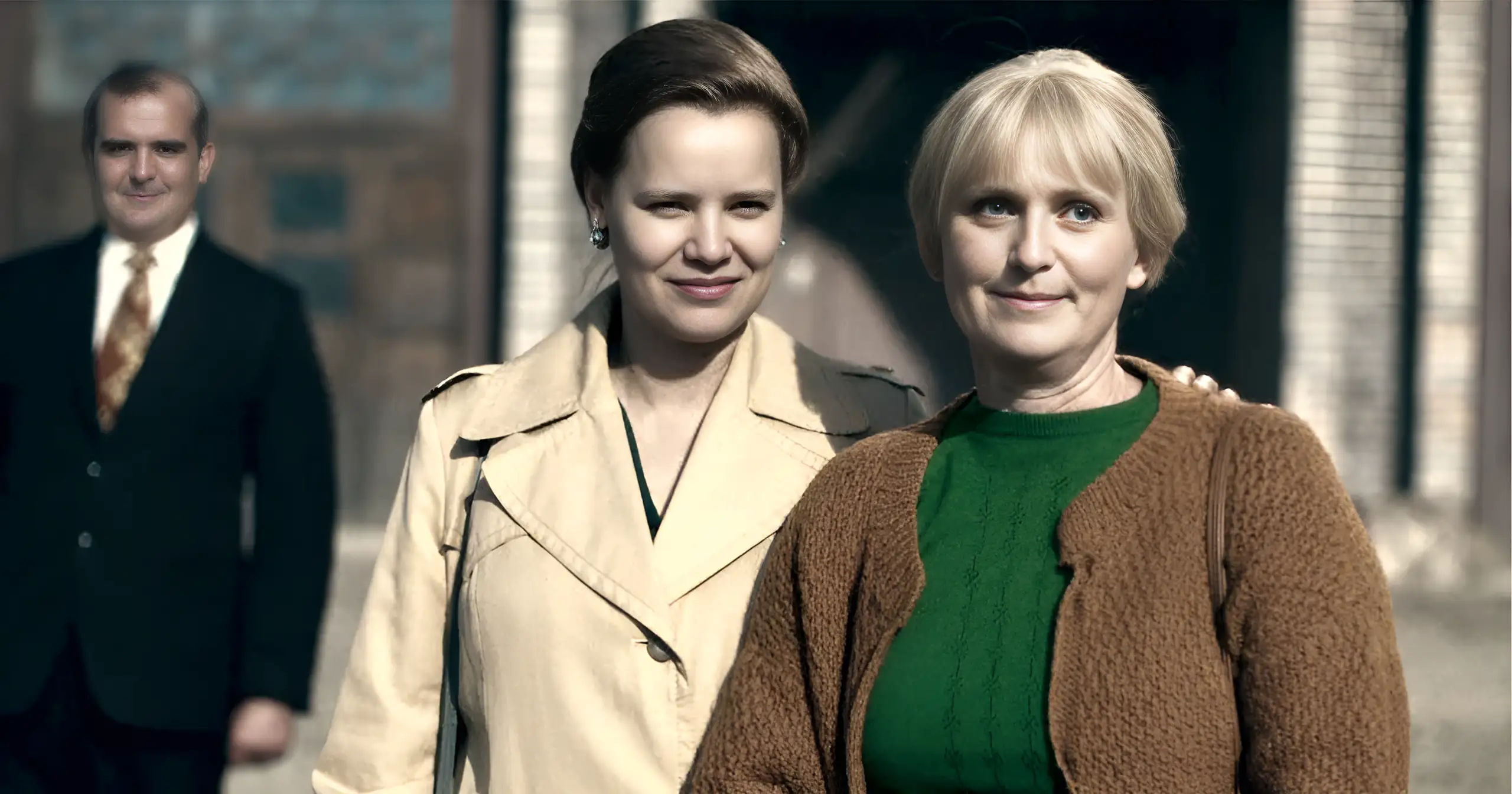
Image taken from the Netflix series Children of Lead (2026).
Source : https://sciencesforgirls.com
Jolanta wadowska-król
Pourquoi son histoire résonne encore aujourd’hui ?
Jolanta Wadowska-Król defied the powerful to protect the most vulnerable. Her struggle reminds us that public health and the environment must never be sacrificed on the altar of profit. In 2026, her legacy is more alive than ever, inspiring doctors, activists, and citizens to act for a more just world.
Jolanta wadowska-król
Sources:
Jolanta Wadowska-Król, holder of USil Honorary Doctorate Degree, will be the focus of a Netflix series | Uniwersytet Śląski w Katowicach. https://us.edu.pl/en/dhc-us-jolanta-wadowska-krol-bohaterka-serialu-netflixa/ (2026).
Urban, K. Dr Wadowska-Król kontra śląska Katanga. SmogLab https://smoglab.pl/dr-wadowska-krol-dzis-jest-legenda/ (2026).
Bajorek, A. Herstoria Górnoślązaczki. Jolanta Wadowska-Król – szopienicka doktor ołowianych dzieci. Annales Universitatis Paedagogicae Cracoviensis | Studia Historicolitteraria 25, 549–562 (2025).
Zaremba, J. Kim była dr Jolanta Wadowska-Król? Lekarka ujawniła tragedię ‘ołowianych dzieci’. Polskie Radio 24