The Science behind the Making of Traditional Musical Instruments

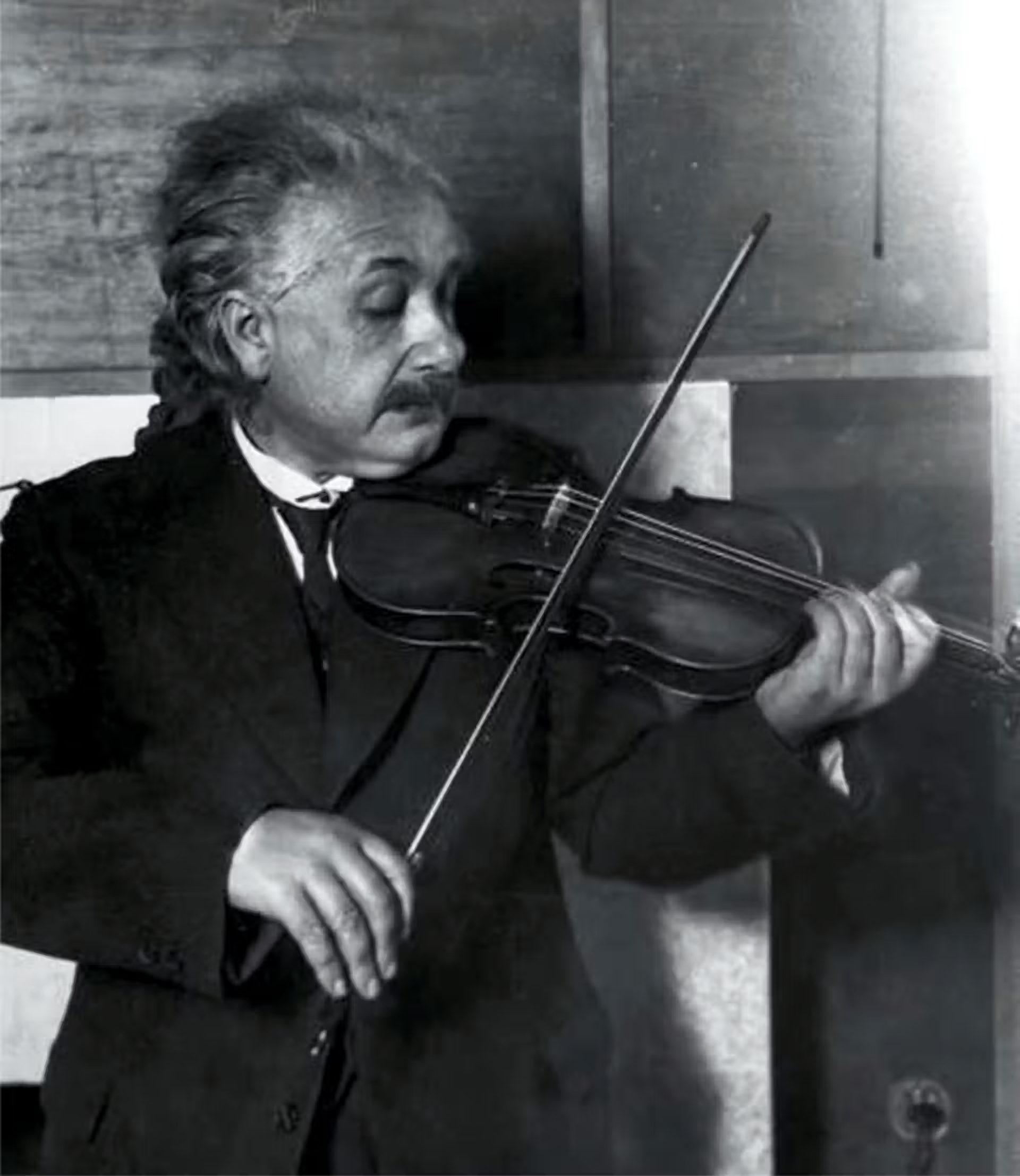
Albert Einstein, violin in hand, finds in music a silent inspiration that illuminates his discoveries.

Traditional musical instruments are not mere cultural objects: they embody a fascinating balance between art, science, and history. Crafting a violin or a kora involves invoking centuries of artisanal expertise while applying fundamental principles of physics and acoustics. Each instrument tells a story, reflects a culture, and illustrates how natural laws shape the sounds that enchant our ears.

In this article, we delve into the heart of crafting two iconic instruments — the European violin and the West African kora. Their design illustrates human ingenuity and the harmonious meeting of tradition and science.

The Harmony between Tradition and Physics

The Violin: A Masterpiece of Sound Engineering

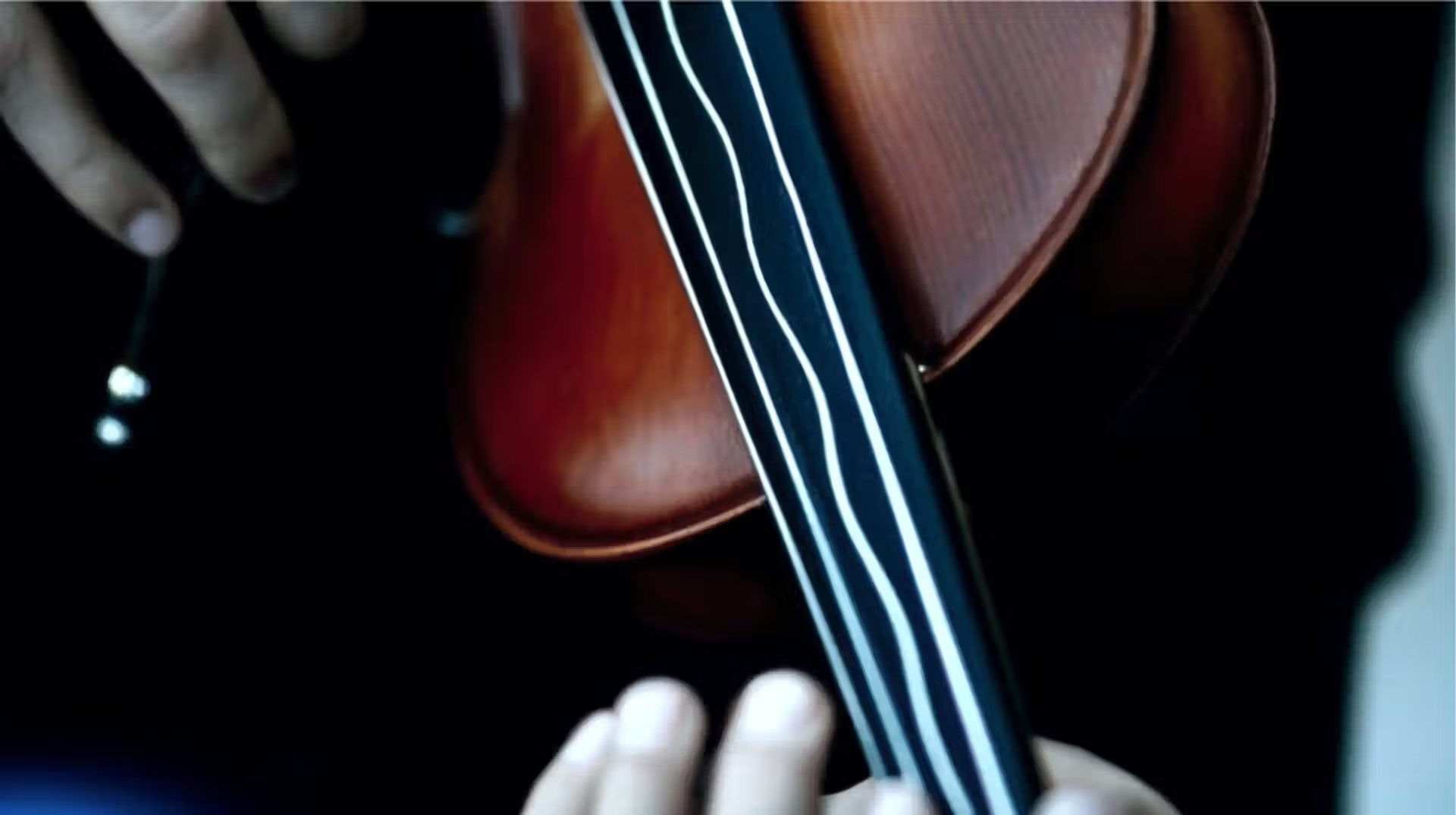
The creation of a violin begins with a meticulous selection of materials. “Spruce, prized for its lightness and ability to transmit vibrations, and maple, appreciated for its density and robustness, are not chosen at random.” These woods directly influence the timbre and resonance of the instrument, far beyond their aesthetic appearance.

The violin’s design is a feat of applied acoustics. The “f”-shaped sound holes, carved into the soundboard, amplify the vibrations of the strings and direct sound waves outward. The varnish, often made from closely guarded recipes, plays a key role in modulating the propagation of vibrations, thus optimizing sound quality.

The legendary Stradivarius violins embody excellence in this field. Recent studies suggest that the wood of these instruments may have been chemically treated, not only to protect it from insects but also to improve its acoustic properties. This unique marriage between craftsmanship and science gives these violins their inimitable sound.

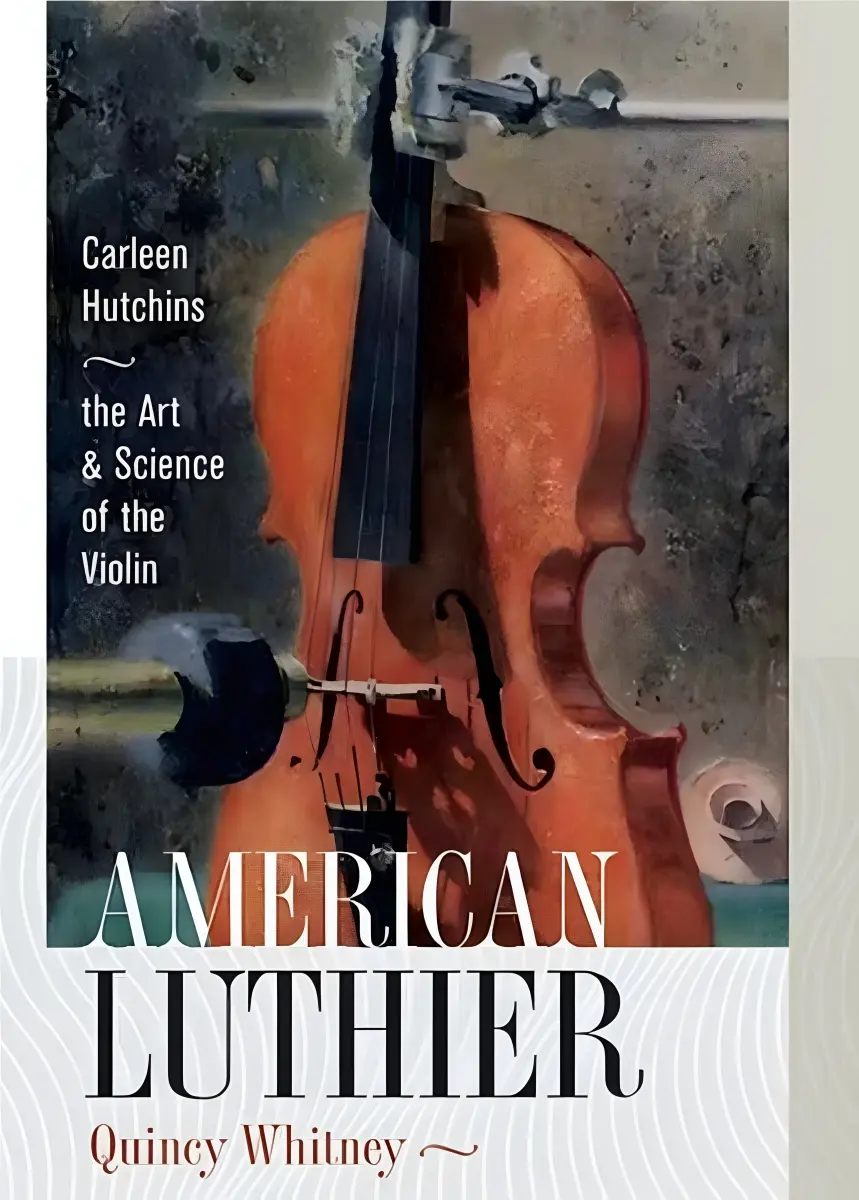
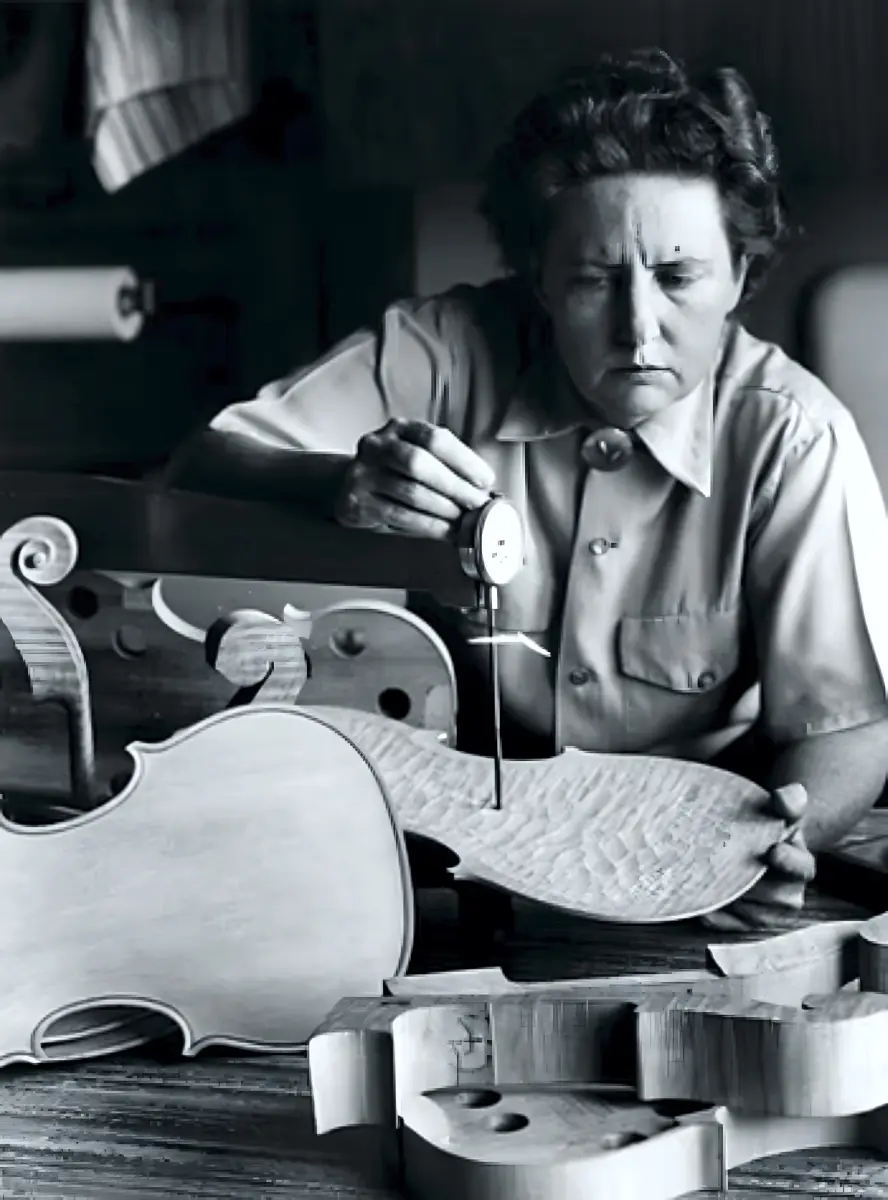
Fun Fact: Did you know that some female luthiers, like Carleen Hutchins, have played a major role in the scientific analysis of string instruments? Her work on violin acoustics has contributed to a better understanding of their design.

The Kora: Acoustic Poetry of West Africa

With its 21 strings, the kora is a musical and cultural marvel of West Africa. Made from a halved calabash covered with stretched animal skin, it relies on a natural resonance chamber that amplifies the sounds. The strings, attached to a wooden bridge, produce enchanting melodies.

The Science Behind Crafting Traditional Musical Instruments
Every detail of the crafting follows precise physical laws. The tension of the strings, their length, and material determine the pitch and richness of the sounds. The stretched skin acts as a vibrating membrane, reinforcing the resonance of the notes. Acoustic studies reveal that the shape and dimensions of the calabash directly influence the sound quality of the instrument.


Beyond its acoustic properties, the kora is a powerful cultural symbol. In the hands of griots, musicians, and storytellers, it transmits the history and oral traditions of West African communities.

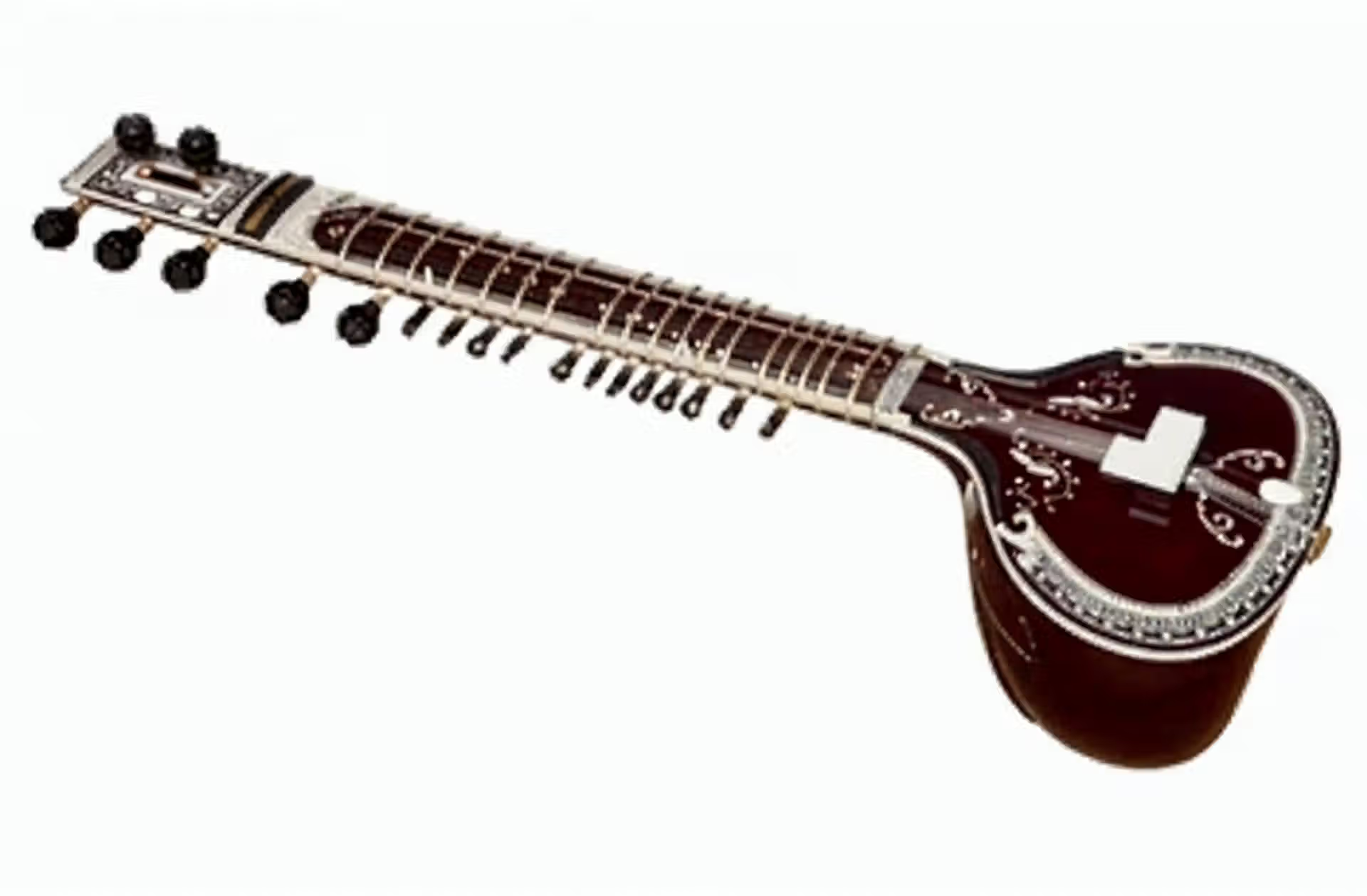
Instruments like the Indian sitar, with its long neck and resonating strings, or the Japanese shamisen, known for its percussive timbre, also testify to how each culture has integrated science and aesthetics.
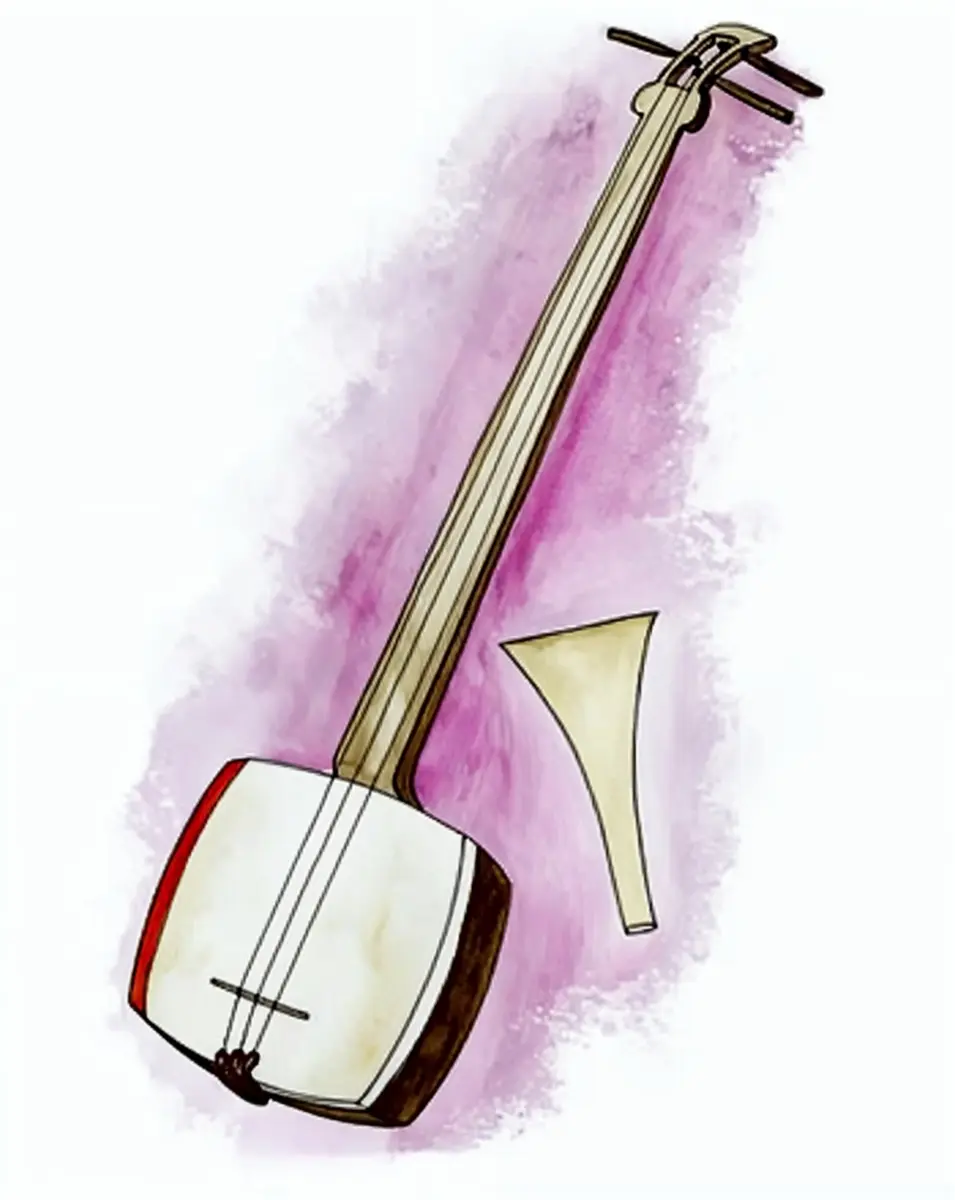
The Japanese Shamisen
The Indian Sitar

The Science of Sound and Acoustics

How Vibrations Become Music
At the heart of every musical instrument lies a fundamental phenomenon: vibration. When a violin bow rubs a string or a kora string is plucked, these vibrations propagate through the air as sound waves. The frequency of these waves, measured in Hertz, determines the pitch of the note. A taut, thin string will thus produce a higher note than a thick, loose string.

Harmonics enrich these vibrations with additional frequencies, giving instruments their unique timbre. It’s thanks to these that a violin and a kora, playing the same note, produce such distinct sounds.

Resonance and Amplification

Resonance is essential for amplifying sounds. In a violin, the soundboard acts as a natural amplifier, vibrating in response to the strings. Similarly, the kora’s calabash amplifies the vibrations of the strings, enriching their sound.

These acoustic mechanisms illustrate fundamental scientific principles such as wave propagation and energy conservation, while creating a unique sonic experience.

Modernity in the Service of Traditions

Technological Innovations
The craftsmanship of traditional instruments is evolving thanks to technological advances. 3D printing, for example, allows the manufacture of parts with unparalleled precision while reducing material waste. Modern composites, such as carbon fiber, sometimes replace rare woods, offering exceptional acoustic properties.

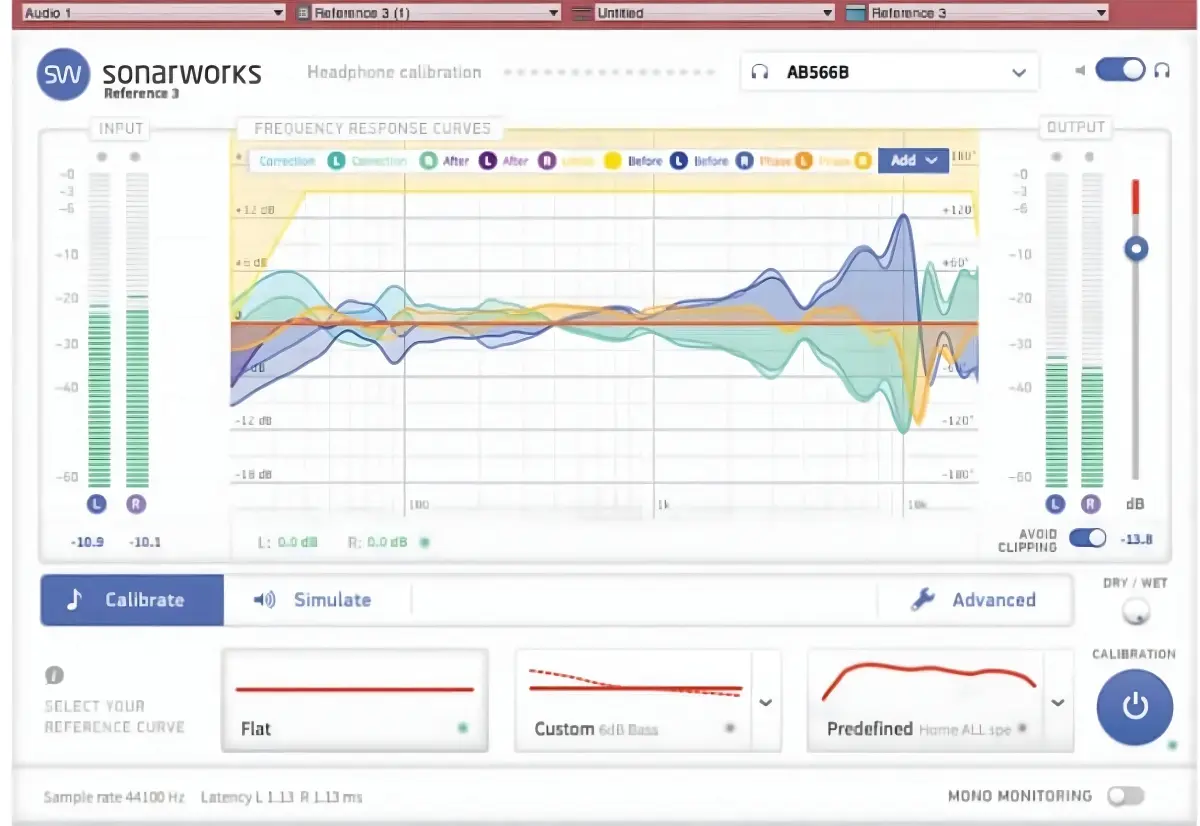
Acoustic analysis software allows craftsmen to study the resonance and sound projection of their creations. These tools combine science and creativity, paving the way for new possibilities while respecting traditions.

Note: Faced with the scarcity of natural resources, artisans are adopting eco-responsible practices. The use of certified wood, recycled materials, and environmentally friendly processes helps preserve ecosystems while perpetuating musical heritage. This approach shows that innovation can be integrated into a sustainable approach.

History Through Melodies

Traditional musical instruments are the result of an alliance between art, culture, and science. Whether it’s a violin or a kora, each instrument tells a story, not only through the melodies it produces but also through its design, reflecting an intimate understanding of natural laws.

For young girls passionate about science and music, these instruments are a unique source of inspiration. They show that creativity and scientific rigor can unite to shape objects that are both functional and beautiful.

Written by Balbao and edited by Intan

Sources:

  • Hutchins, C. M. (1981). The Acoustics of Violin Plates. Scientific American.

  • Fritz, C., & Dubois, D. (2010). Sound Perception of Ancient and Modern Violins: An Acoustic Study. Journal of the Acoustical Society of America.

  • Christian Rault (1996). The Kora: West African Plucked String Lute. Éditions Métamédia.

  • Rossing, T. D. (2007). Science of Percussion Instruments. World Scientific Publishing Company.

  • Chopra, K. (2018). The Sitar: Acoustics and Construction. Indian Journal of Traditional Music.

  • Nagataki, S. (2004). Acoustic Analysis of the Shamisen. Japanese Music Research Review.

Related Articles...