Awakening girls’ scientific vocations: a day dedicated to discovery in Joinville-le-Pont
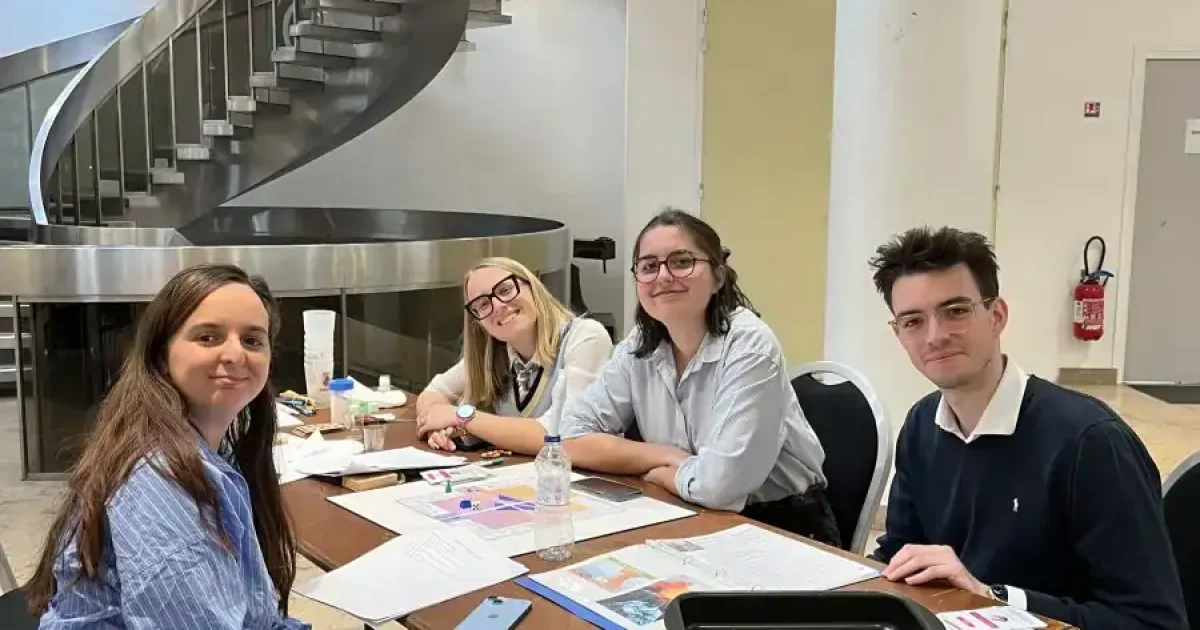
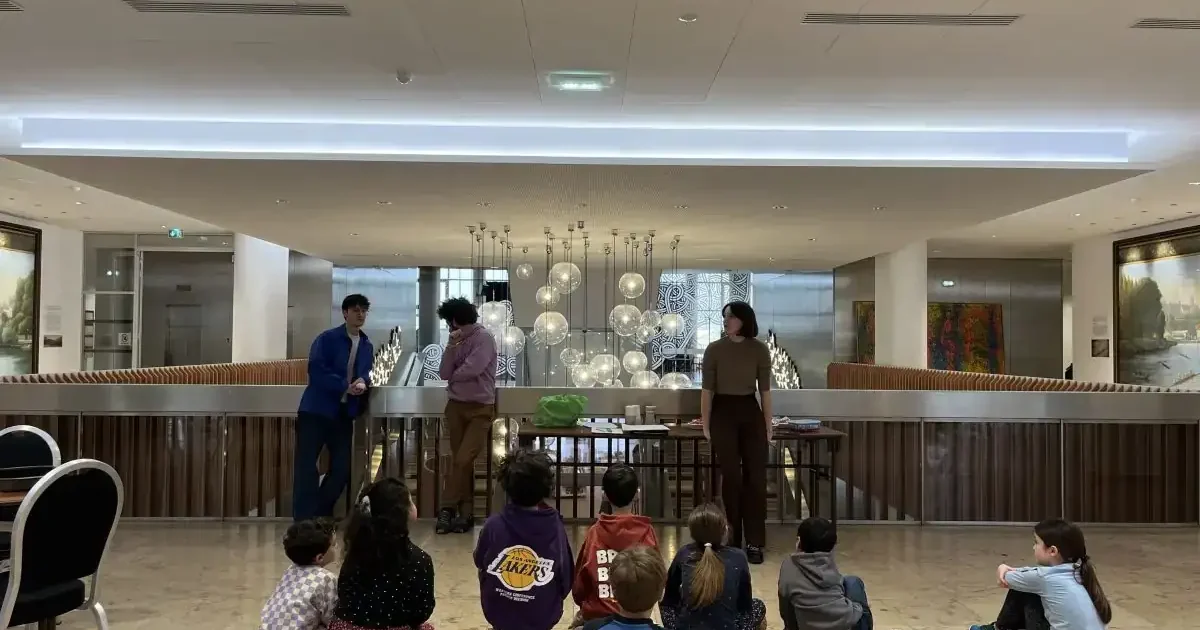
To mark International Women’s Day on March 8th, Sciences For Girls (SciGi) organized a unique day dedicated to scientific discovery for children in Joinville-le-Pont. This event is part of a broader initiative to make science accessible and inspiring for young girls, while breaking down gender stereotypes that persist in scientific fields.
Why raise girls’ awareness of science from a young age?
Science, technology, engineering, and mathematics (STEM) fields remain underrepresented by women. According to recent studies, only 30% of researchers worldwide are women, and this proportion decreases even further in senior management positions. Yet, girls show a marked interest in science from primary school onward, but this enthusiasm tends to wane during adolescence, often due to social stereotypes or a lack of female role models in these fields.
This is why initiatives like Sciences For Girls are essential. By showcasing inspiring female scientists, young girls can envision themselves in these fields and understand that science is open to everyone. These workshops demonstrate that science is not reserved for one gender or group of people, but that it is accessible, exciting, and meaningful.
Fun workshops to explore science in a different way
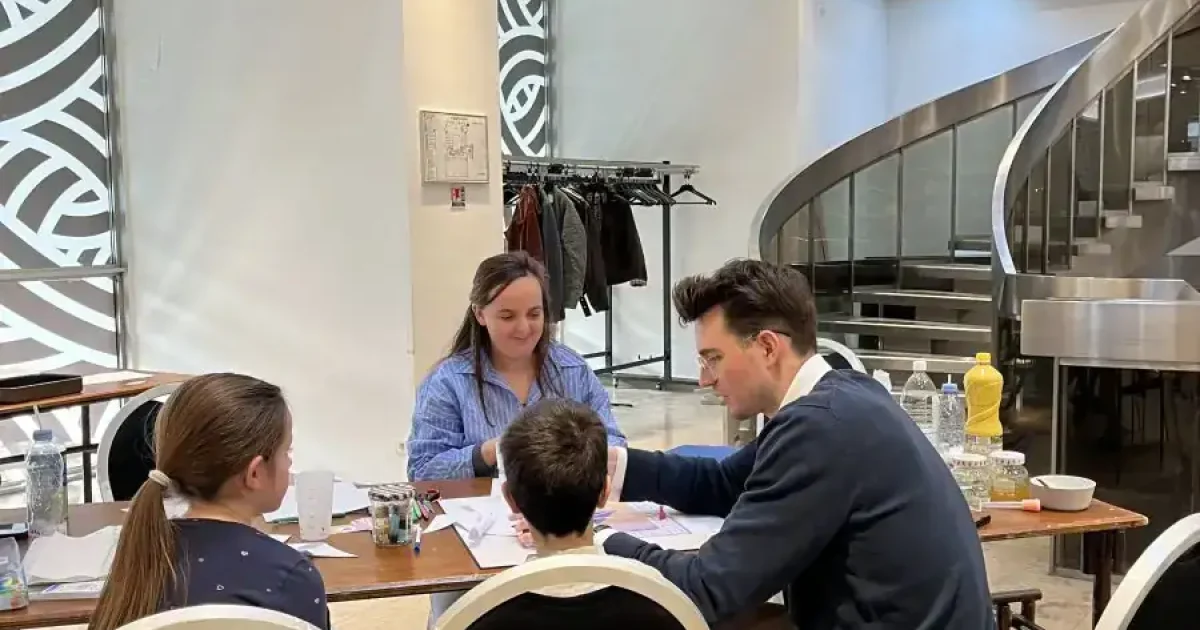
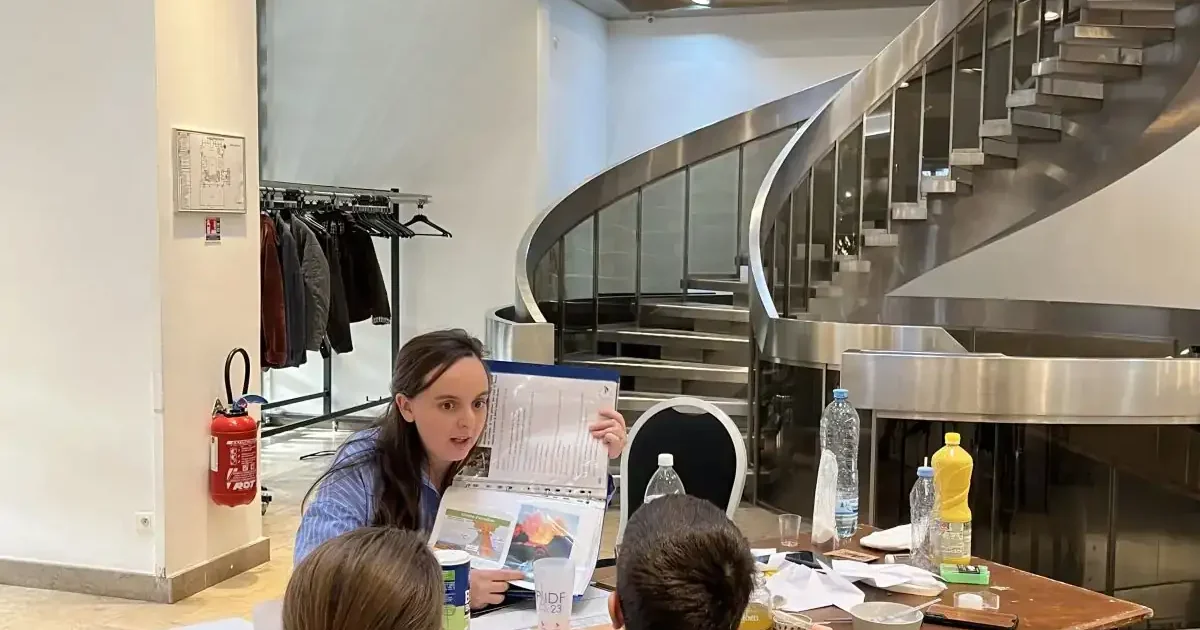
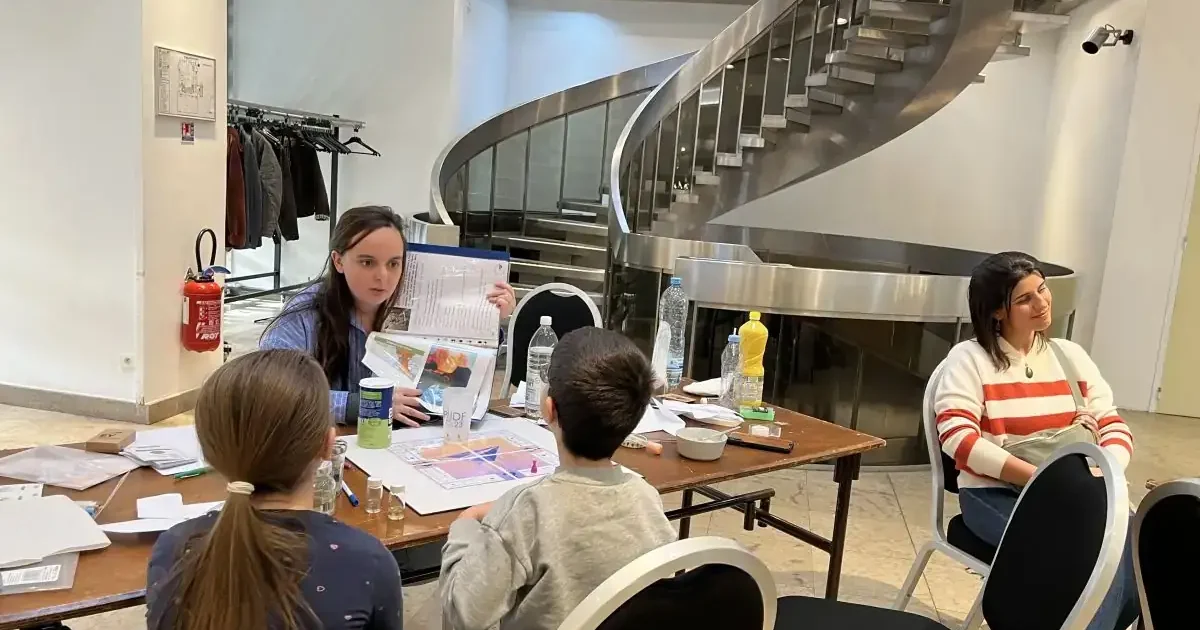
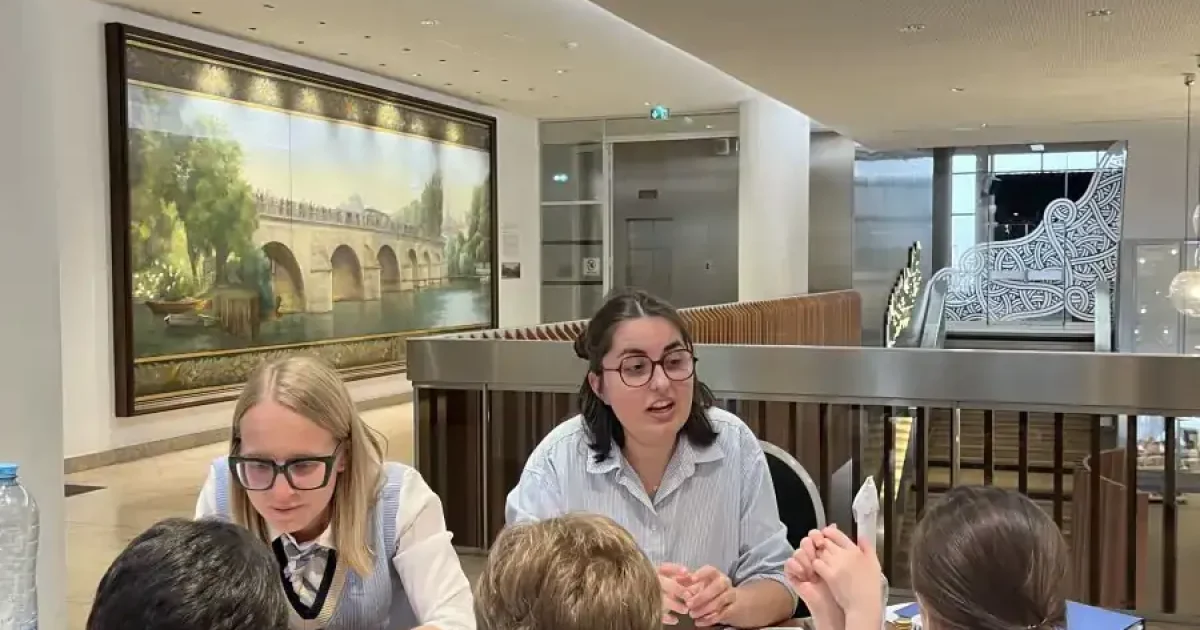
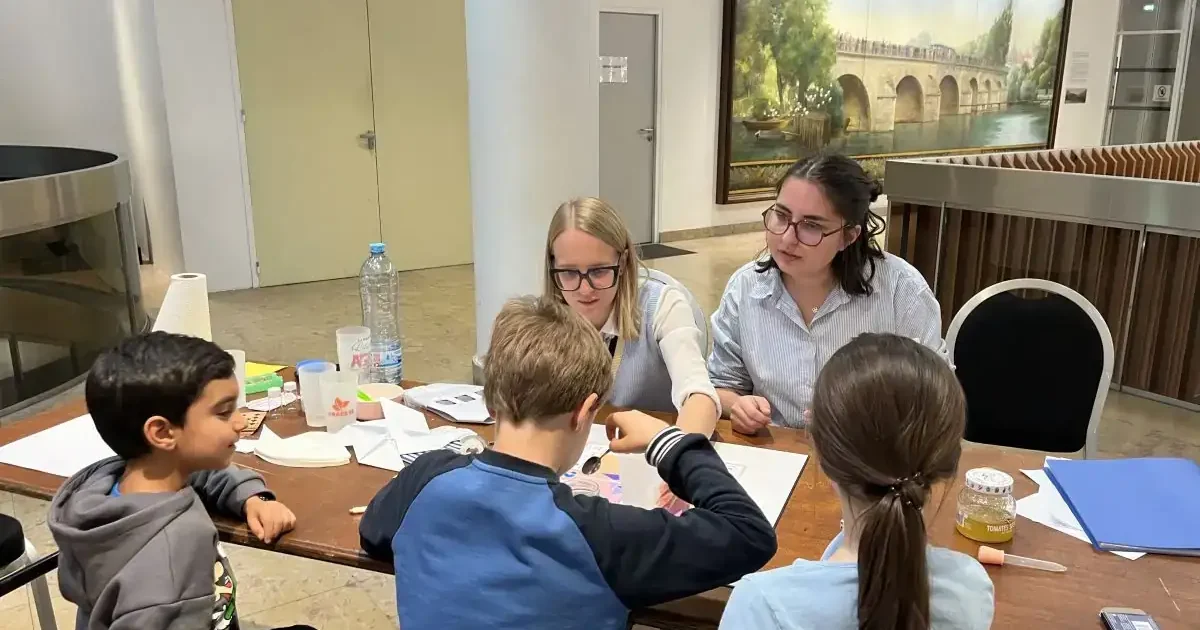
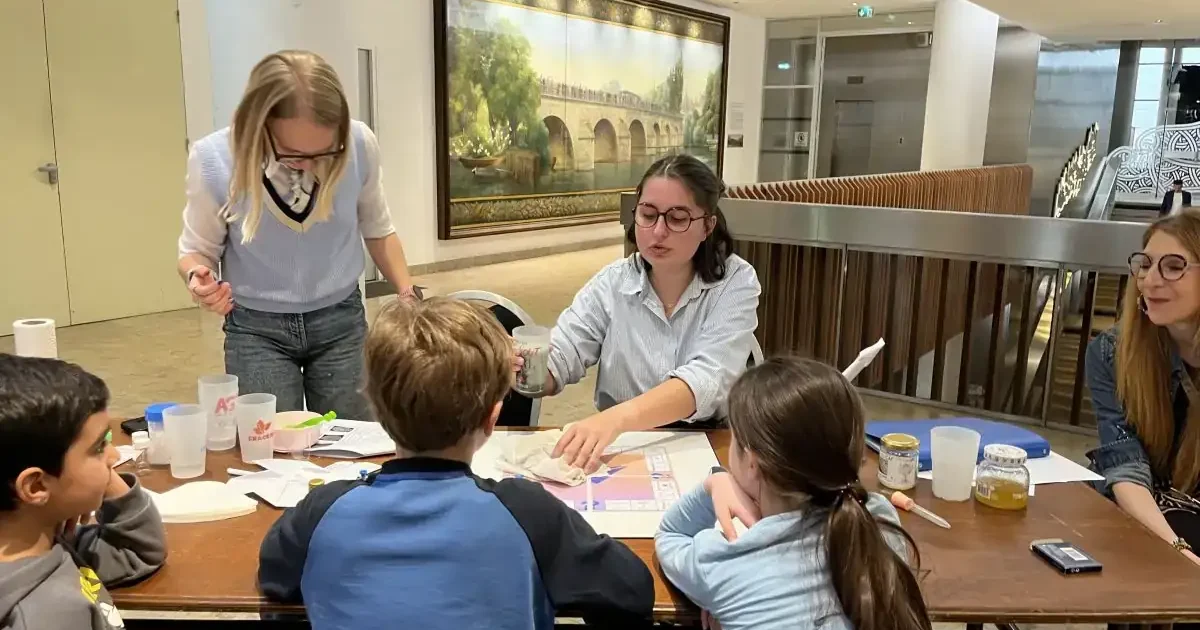
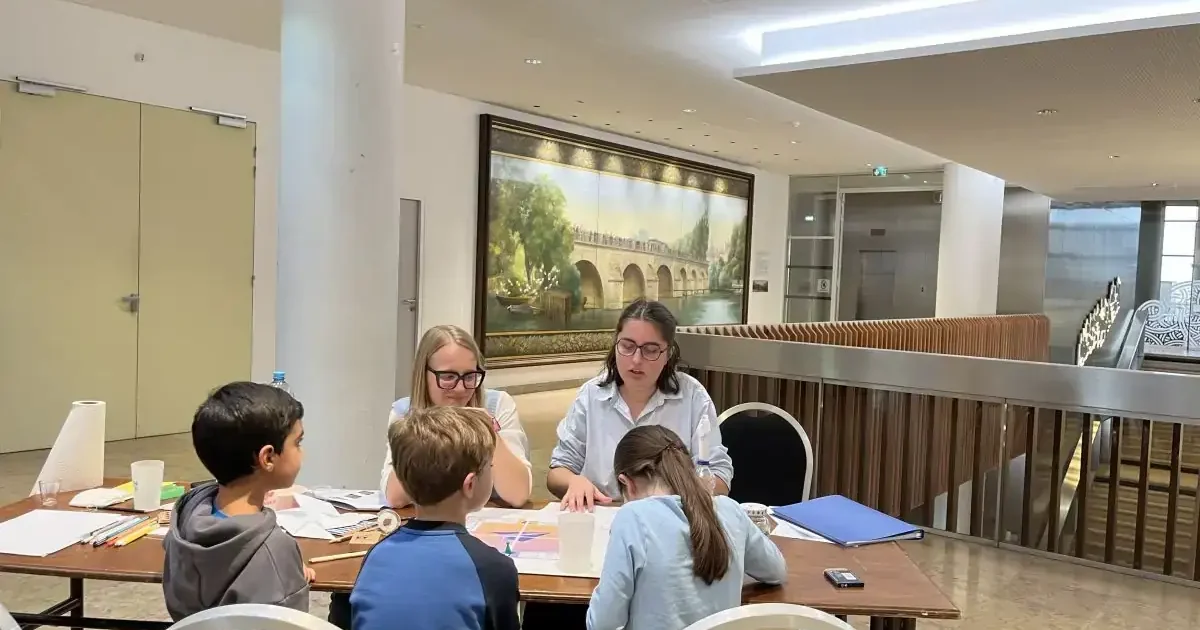
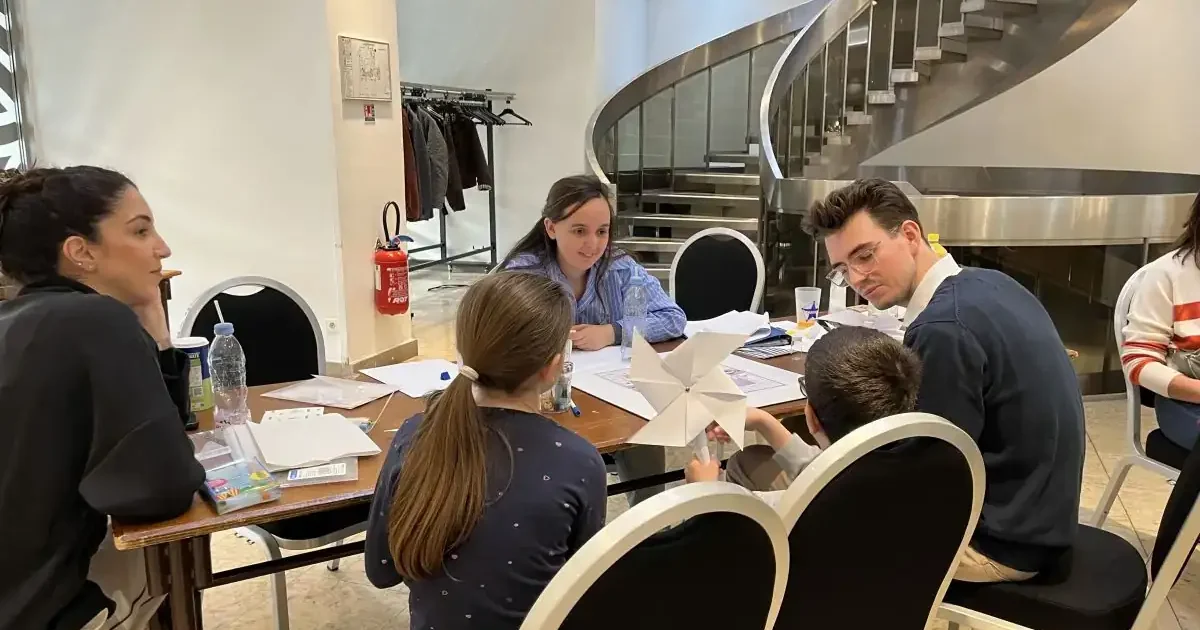
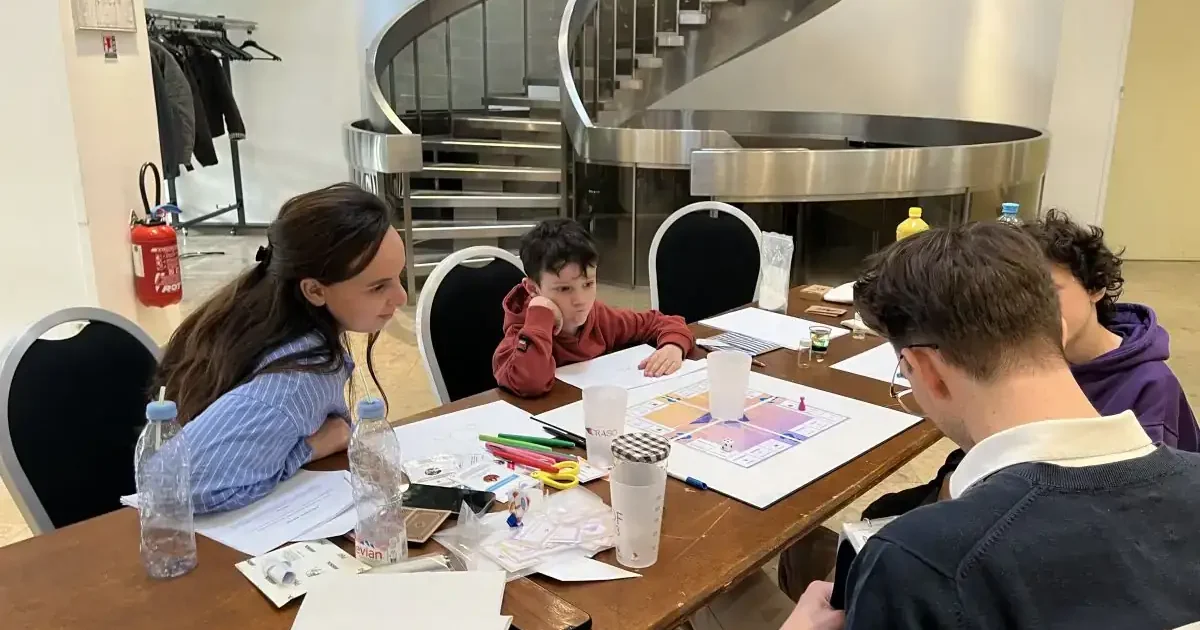
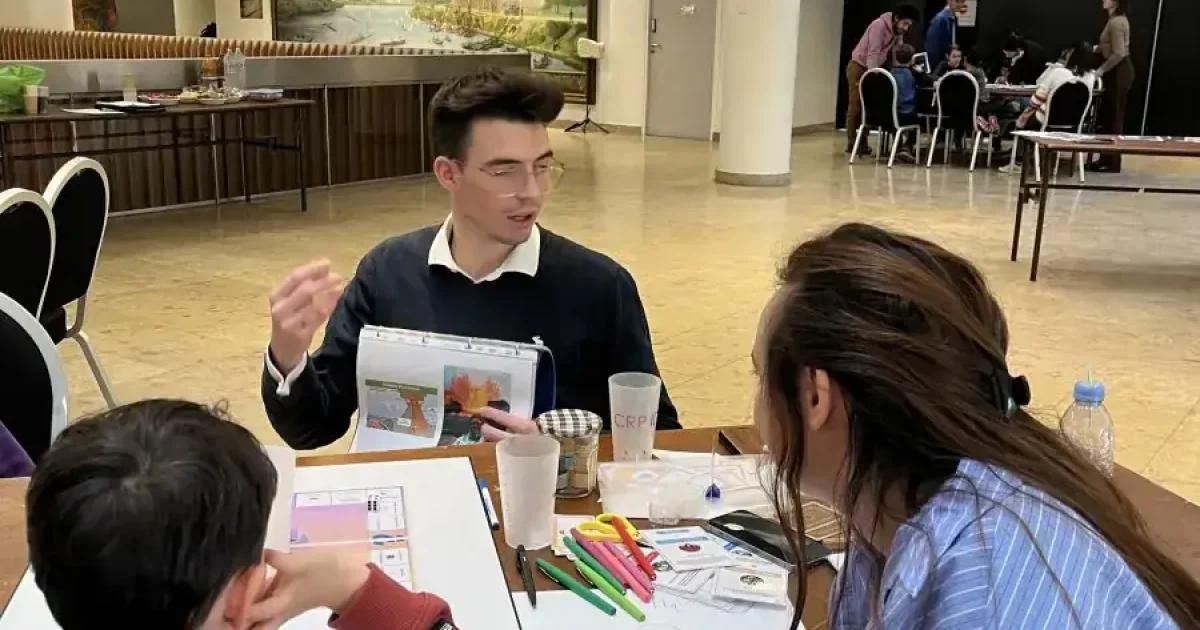
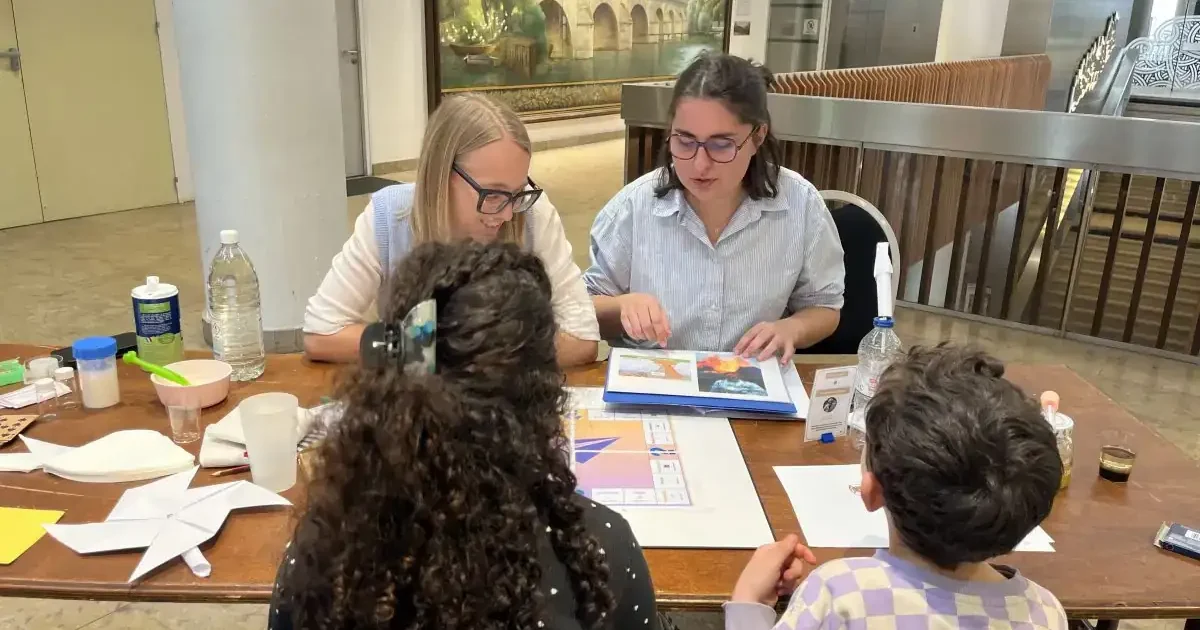
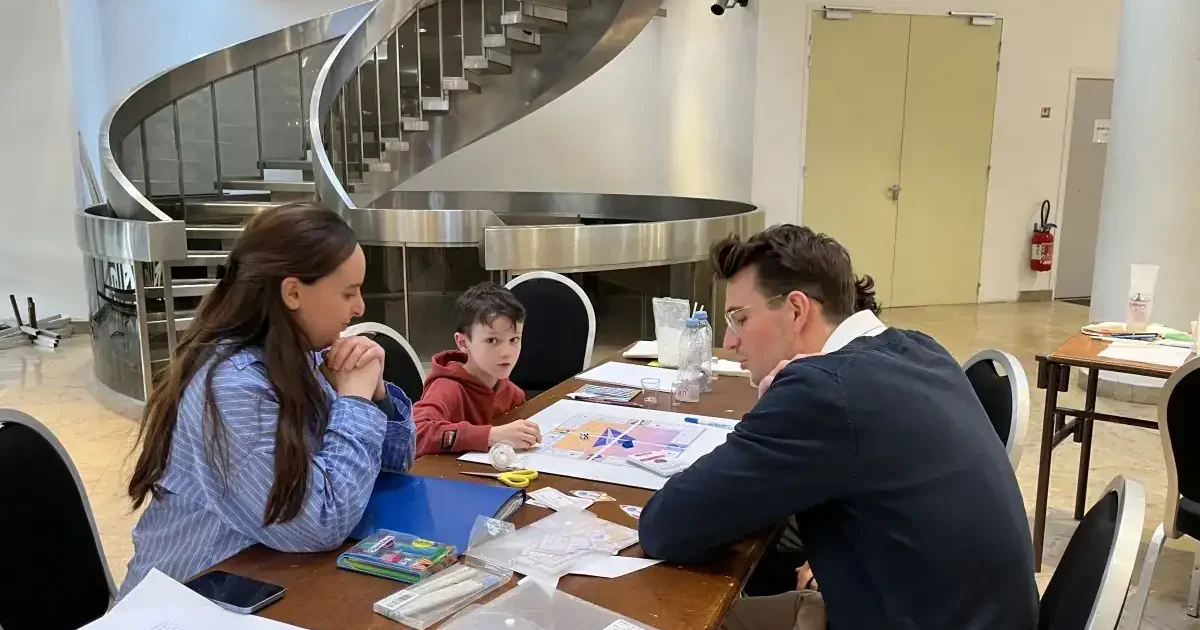
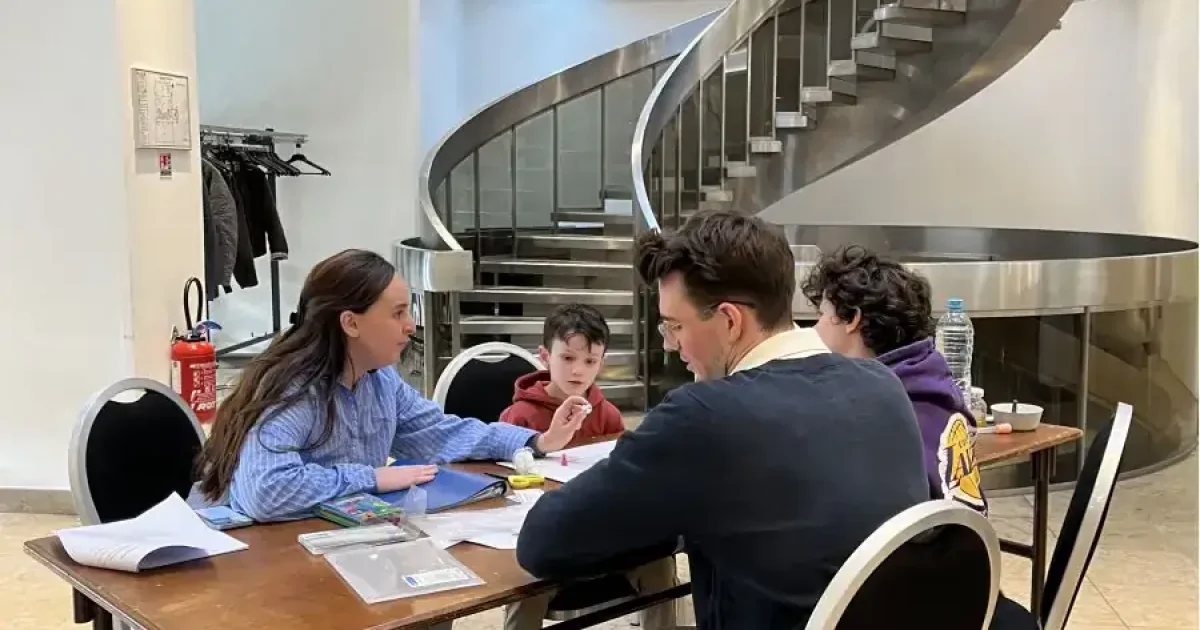
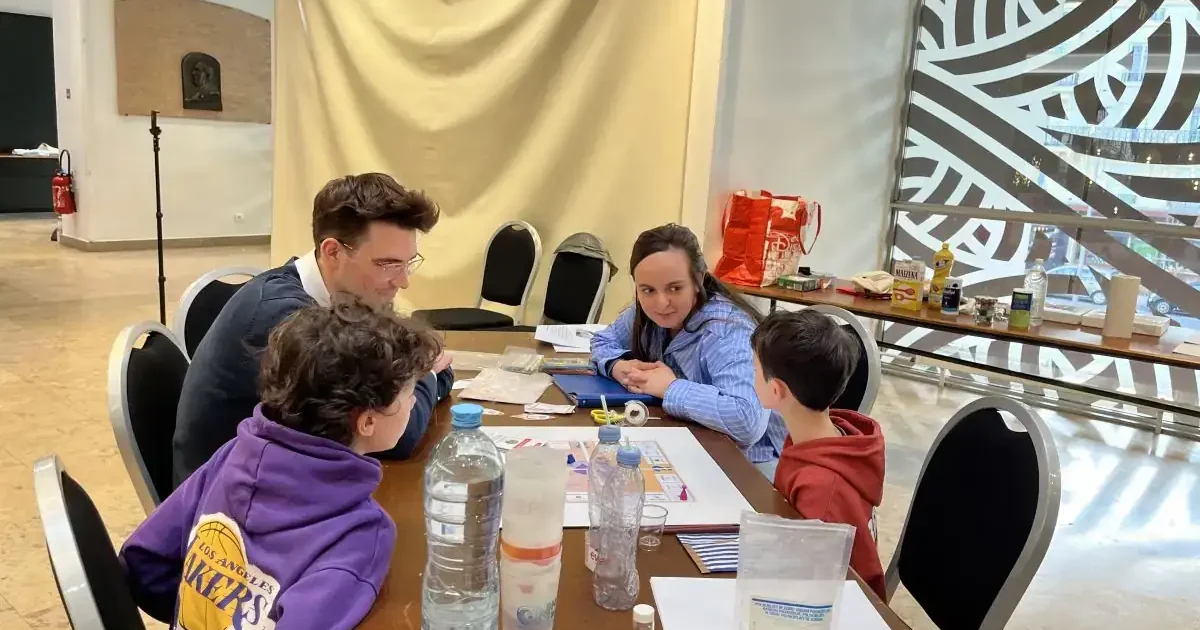
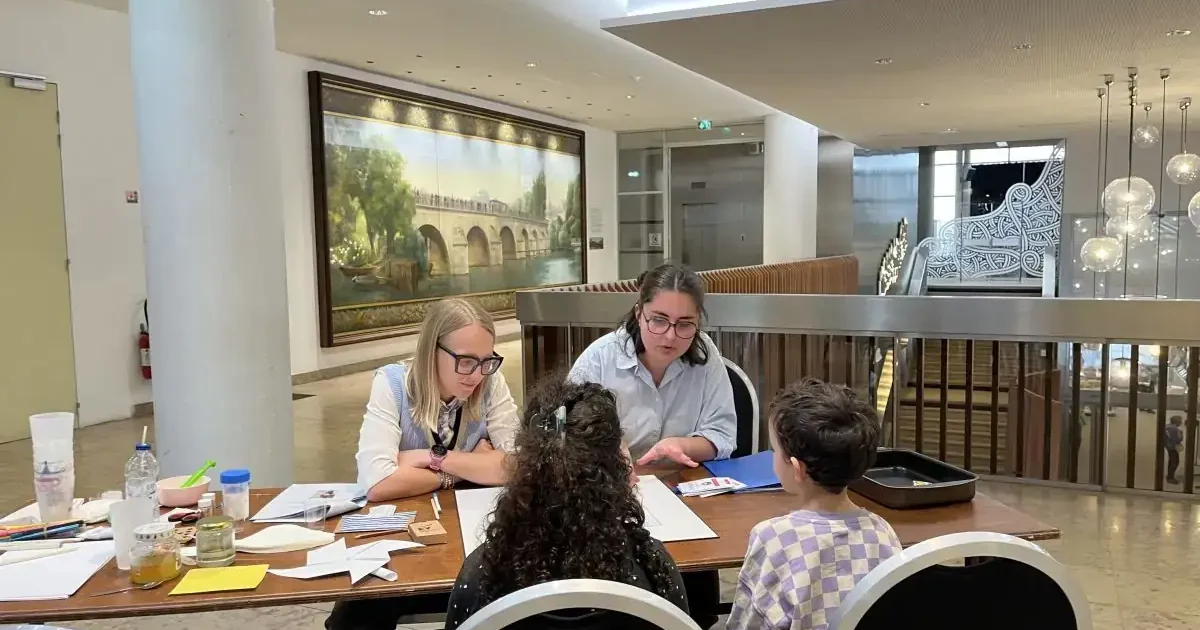
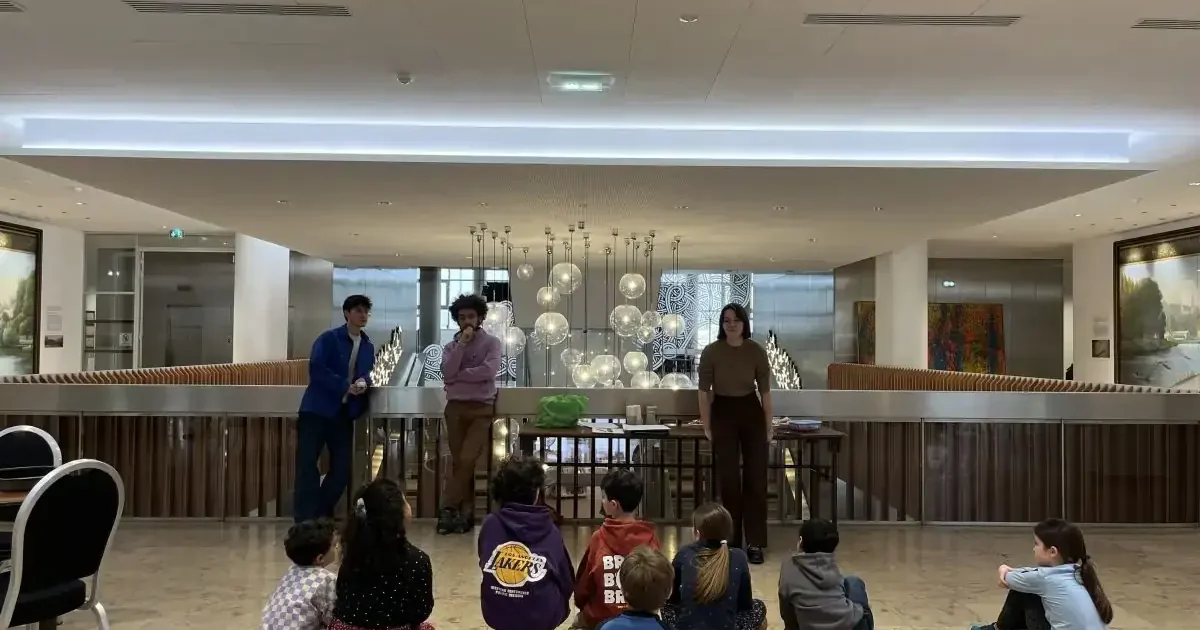
The day organized in Joinville-le-Pont allowed children to participate in several workshops designed to make science concrete and fun. Here are some examples of the activities offered:
– Discovering inspiring women scientists
Through an interactive quiz, children were able to discover numerous female scientists who have made their mark in their fields, from Émilie du Châtelet to Fatoumata Kébé, including Sophie Germain and Katsuko Saruhashi. Showing female figures in science from a young age helps to dismantle certain stereotypes that are still widely present in the collective imagination.
– Interactive experiments to understand scientific phenomena
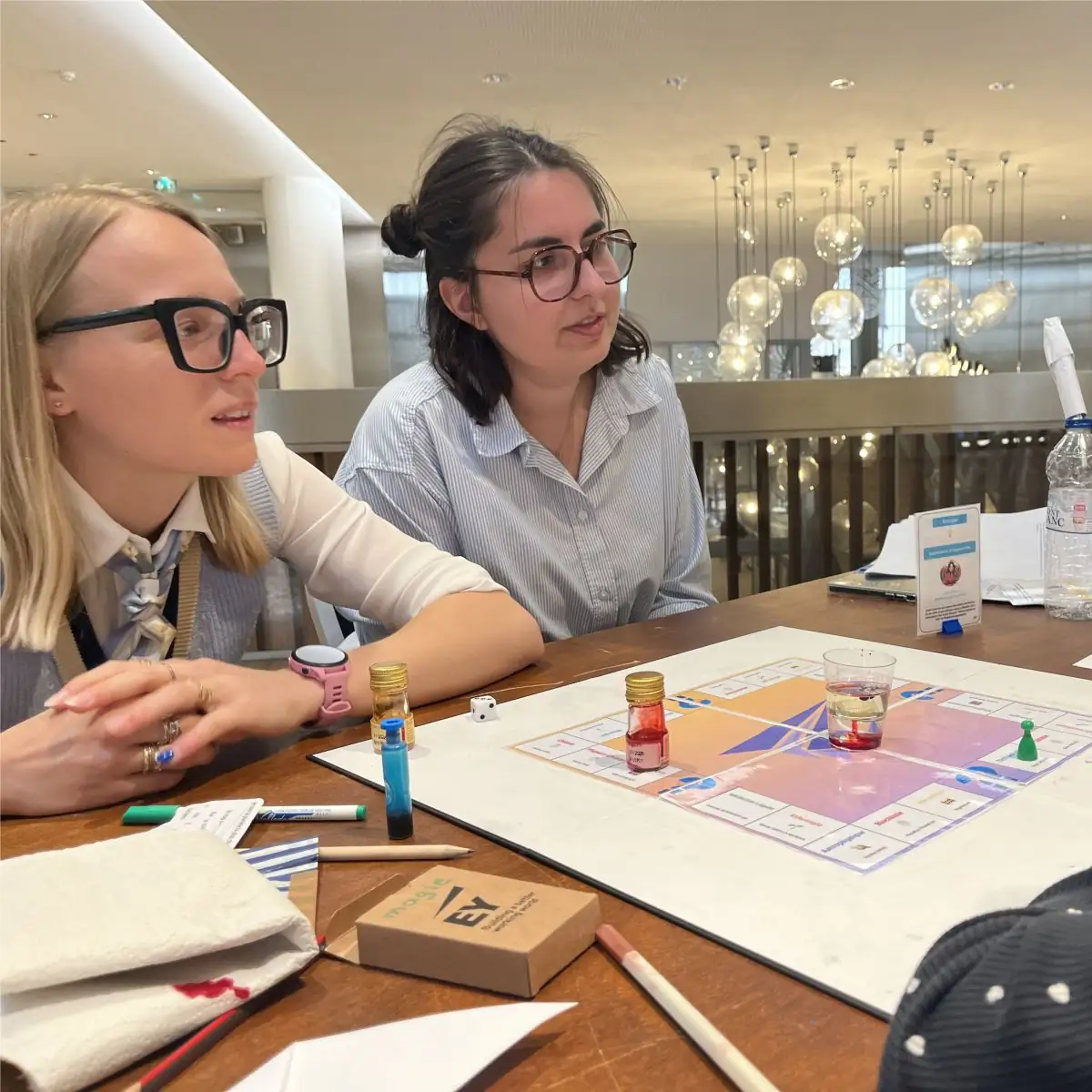
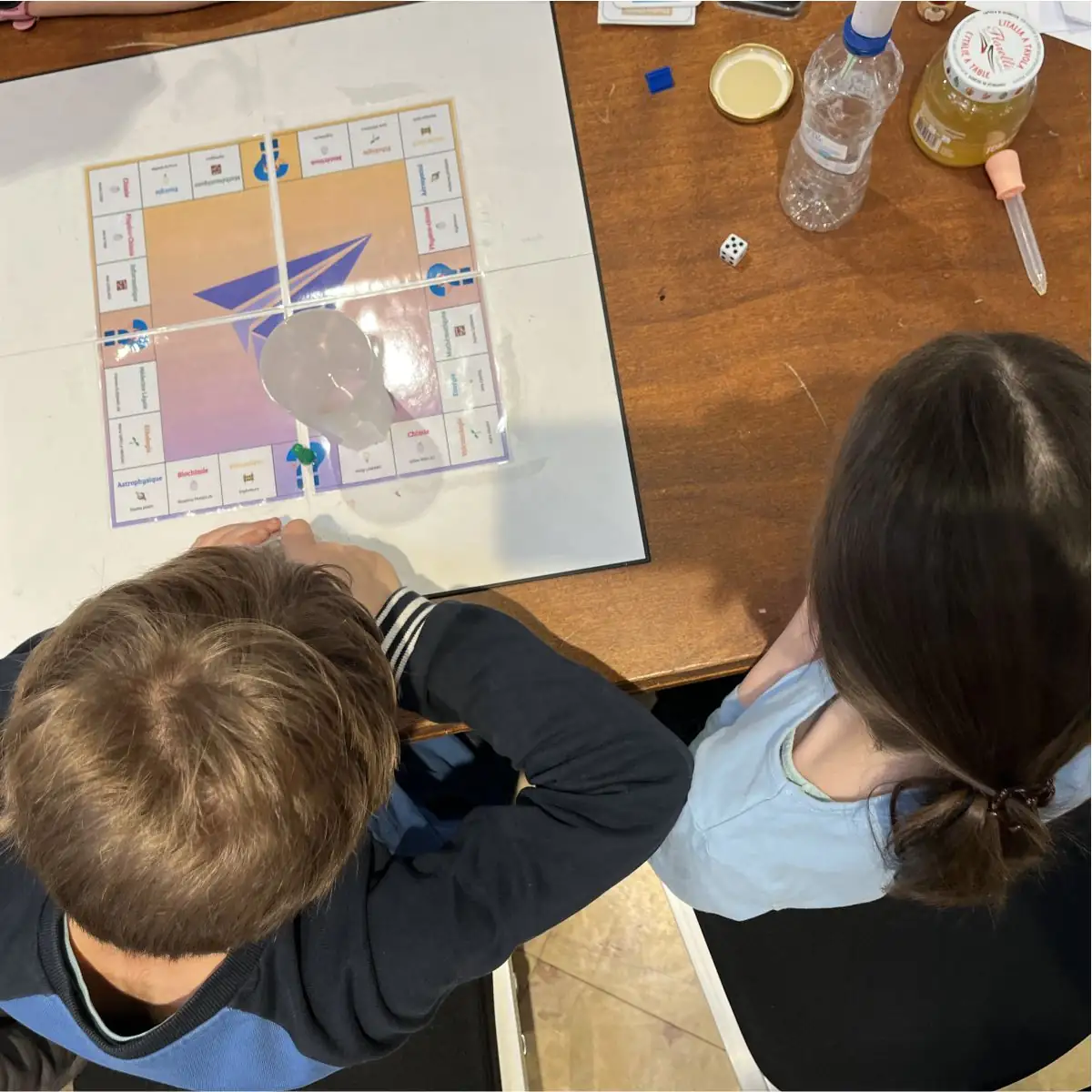
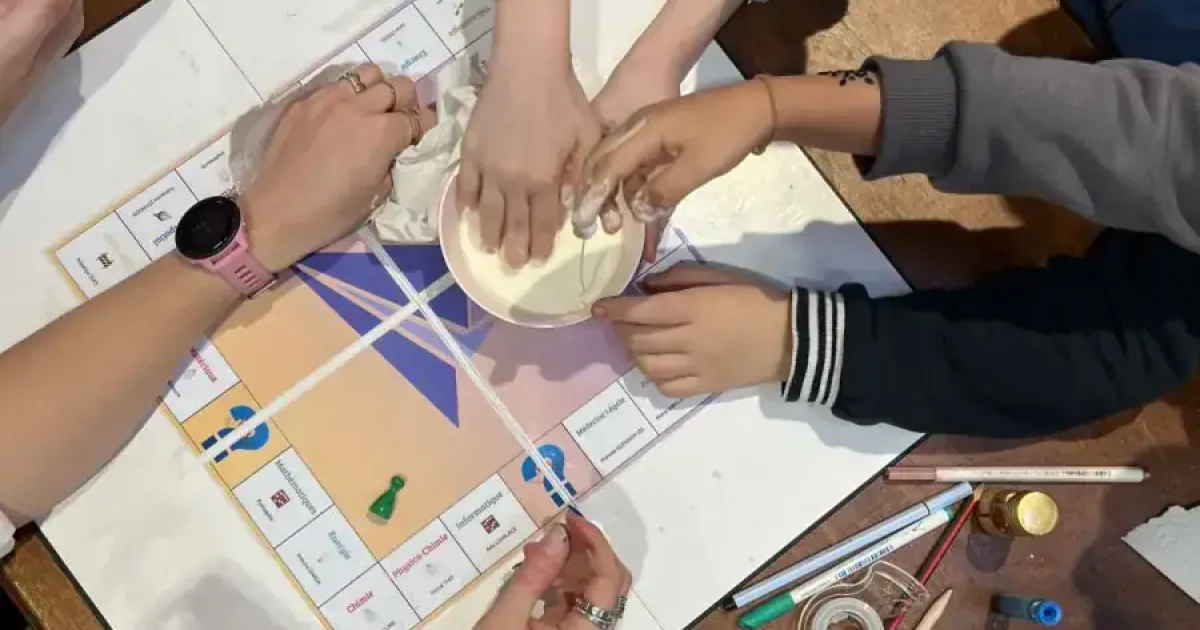
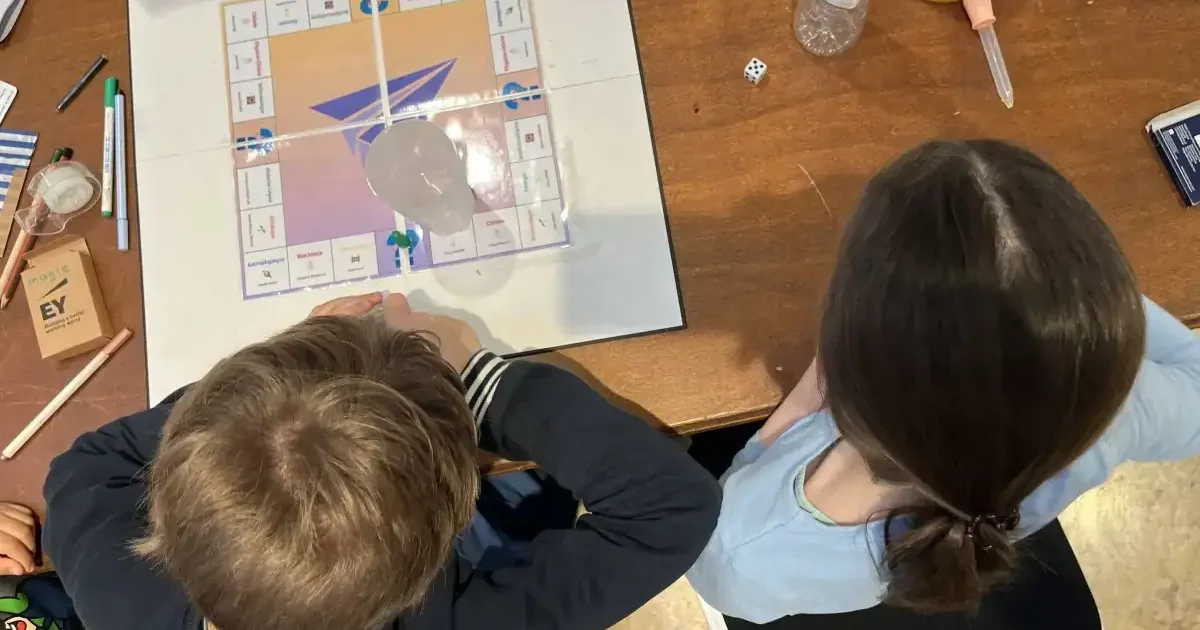
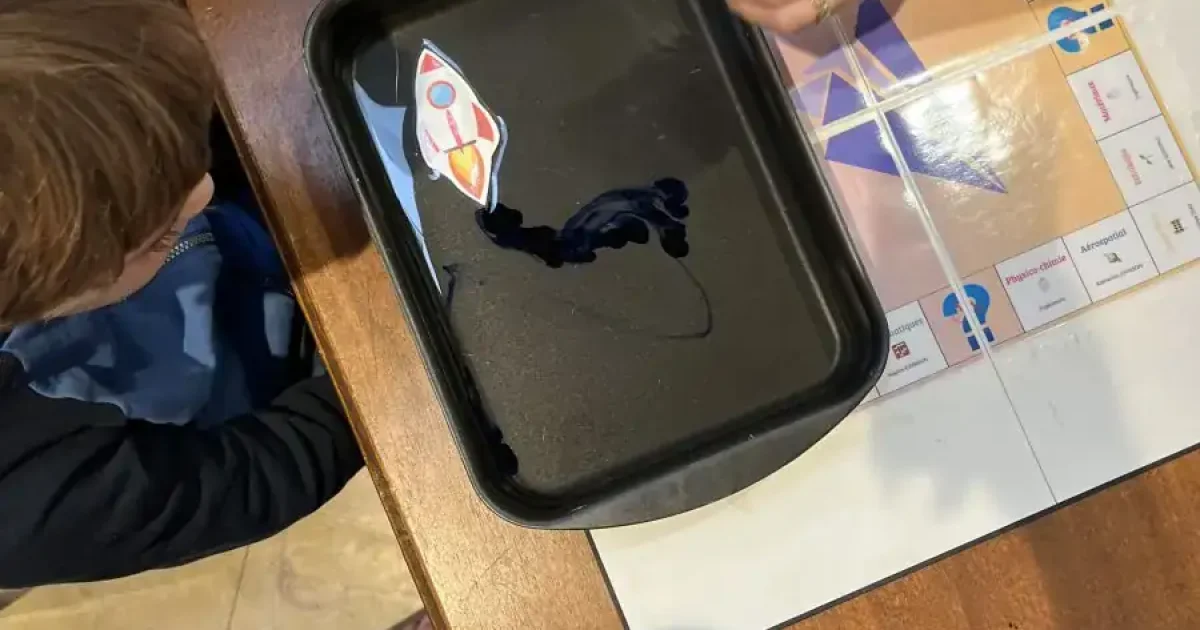
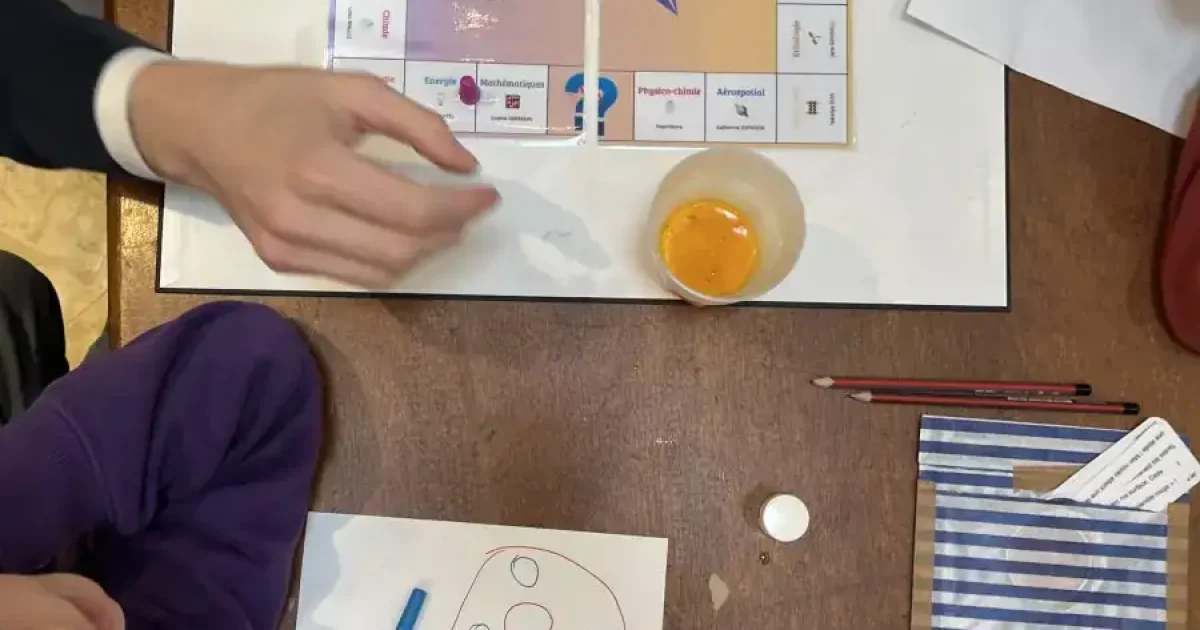
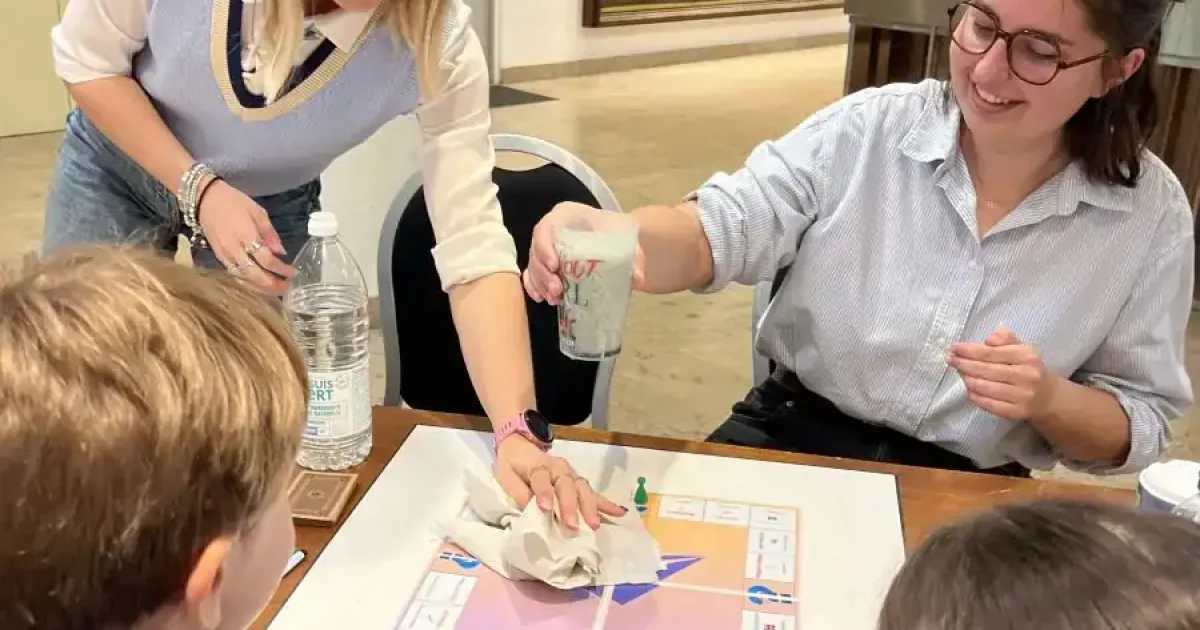
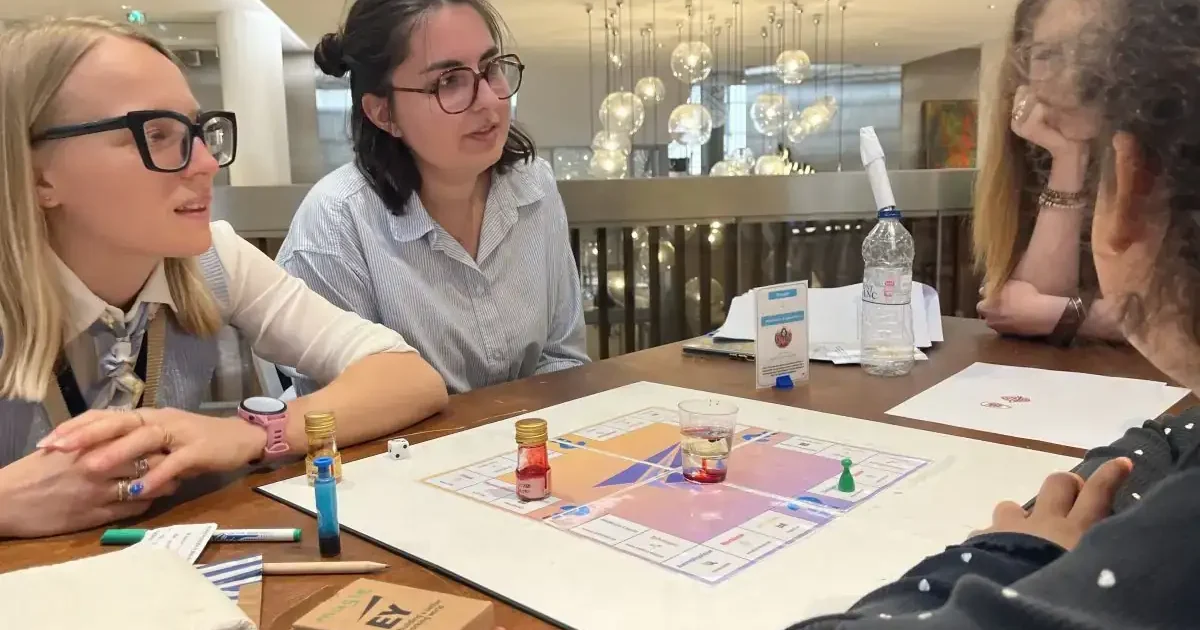
The board game developed by Minis’Ingés allowed children to carry out simple yet captivating experiments, such as building a mini-volcano to understand chemical reactions or constructing a house of cards to learn the principles of engineering. These activities stimulate curiosity, encourage experimentation, and show that science can be both fun and creative.
– “Draw science”: when imagination meets discovery
Using the provided creative materials, the children drew their vision of a scientist and imagined what they would like to work on later. This workshop also allowed us to observe the impact of discovering female scientists on their mental representations: after the activity, both girls and boys were more likely to draw female scientists. This positive development demonstrates the importance of visibility and role models in shaping our imaginations.
The importance of partnerships to amplify impact
This day would not have been possible without the support of the City of Joinville-le-Pont and the collaboration with Les Minis’ingés, an association specializing in introducing children to science. These partnerships allow us to reach a wider audience and offer a variety of activities, adapted to different ages and interests.
The City of Joinville-le-Pont, committed to promoting equal opportunities, provided venues and supported the event’s communication efforts. For its part, Les Minis’ingés contributed its expertise in science outreach for children, ensuring educational and age-appropriate workshops.
A lasting impact on children and the community
The feedback from children and parents was extremely positive. The participants expressed their enthusiasm and desire to learn more about science. During the drawing workshop, we saw children depict women when asked to draw a scientist.
Beyond the educational aspect, this day also strengthened social bonds and cooperation among the children. By working together on scientific projects, they learned to listen to each other’s ideas, share their knowledge, and overcome challenges as a team.
How can we continue the commitment to greater equality in science?
For these initiatives to have a lasting impact, it is essential to sustain the actions and extend them to other cities. Here are some suggestions for going further:
– Organize regular workshops in schools
Integrating science workshops into school programs allows us to reach a greater number of children and normalize the presence of girls in science.
– Create mentorships with scientists
Implementing mentorship programs where female scientists support young girls throughout their schooling can boost their confidence and encourage them to pursue studies in STEM fields.
– Raising awareness among parents and teachers
Parents and teachers play a key role in guiding children. Raising their awareness of the importance of not perpetuating stereotypes and supporting girls in their scientific choices is crucial.
Conclusion: Towards a future where science truly belongs to everyone
The event organized in Joinville-le-Pont is a concrete example of how to spark girls’ interest in science and promote equal opportunities. Through fun workshops, inspiring encounters, and strong partnerships, organizations like Sciences For Girls and Les Minis’ingés demonstrate that science is accessible, exciting, and open to everyone.
Pour que ces efforts portent leurs fruits, il est essentiel de multiplier les initiatives, de sensibiliser tous les acteurs éducatifs et de donner aux filles les moyens de croire en leur potentiel. Ensemble, nous pouvons construire un avenir où les sciences seront enfin réellement pour toutes.